
UN Agencies Warn Hunger Crisis Is Deepening Across Conflict-Hit Hotspots
UN Agencies Warn Hunger Crisis Is Deepening Across Conflict-Hit Hotspots
——————————————————————-
The World Food Programme and the Food and Agriculture Organization warn that acute food insecurity is expected to worsen across several Arab and Muslim countries, with Gaza, Sudan, Yemen and Somalia among the areas facing the gravest risks.
Acute food insecurity is expected to worsen for millions of people across conflict-hit regions, according to a new Hunger Hotspots report by the World Food Programme and the Food and Agriculture Organization.
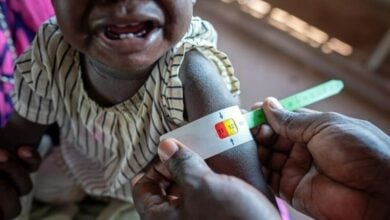
The report identifies 13 global hotspots where hunger is projected to deteriorate from June to November 2026. Among the most alarming cases are Gaza, Sudan, South Sudan, Yemen, Somalia and northeast Nigeria, where famine or famine-like conditions could emerge without urgent humanitarian action.
UN officials said conflict remains the leading driver of food insecurity, affecting nearly all the hotspots named in the report. Fighting destroys livelihoods, displaces families, disrupts markets, damages infrastructure and blocks humanitarian access.
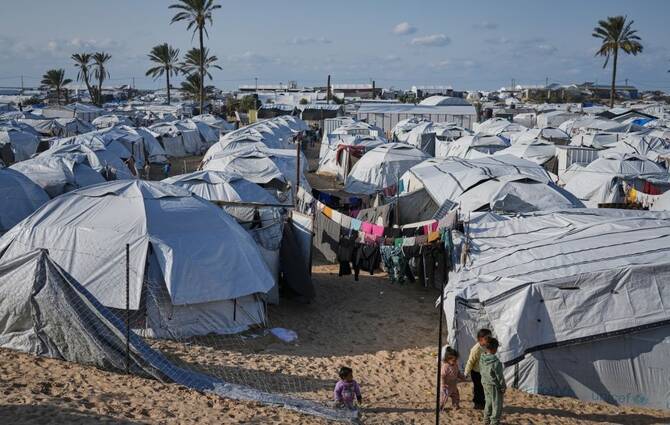
Gaza remains among the areas of highest concern. Although food access improved after the ceasefire, UN officials said the situation remains extremely fragile and could deteriorate again if aid flows, market activity or security conditions worsen.
Sudan and South Sudan also remain at severe risk, as war, displacement and economic collapse continue to push millions toward hunger. Yemen and Somalia are similarly affected by conflict, climate shocks and limited humanitarian resources.
Lebanon was included in the report for the first time as a hotspot requiring close monitoring and urgent action. The country is facing economic instability, high food prices, internal displacement and the impact of conflict in the south.
UN officials also warned that the war involving Iran and disruption around the Strait of Hormuz could worsen food insecurity worldwide by raising fuel, fertilizer, transport and insurance costs. Such shocks can quickly increase food prices and make humanitarian operations more expensive.
The report said humanitarian funding cuts are making the crisis harder to address. Food-security funding has fallen to levels last seen in 2016 and 2017, while the number of people facing high levels of acute food insecurity has since doubled.
FAO and WFP officials said the worst outcomes are not inevitable, but warned that the window for action is narrowing. They called for urgent funding, humanitarian access, diplomatic engagement and coordinated efforts linking emergency aid, development and peacebuilding.