
Climate change likely contributed to deadly Nepal-Tibet glacier collapse, study finds
Climate change likely contributed to deadly Nepal-Tibet glacier collapse, study finds
———————————————-
A new scientific assessment has found that climate change likely weakened the glacier system involved in last month’s catastrophic collapse in the Nepal-Tibet region, which triggered massive floods that killed hundreds of people and left thousands missing.
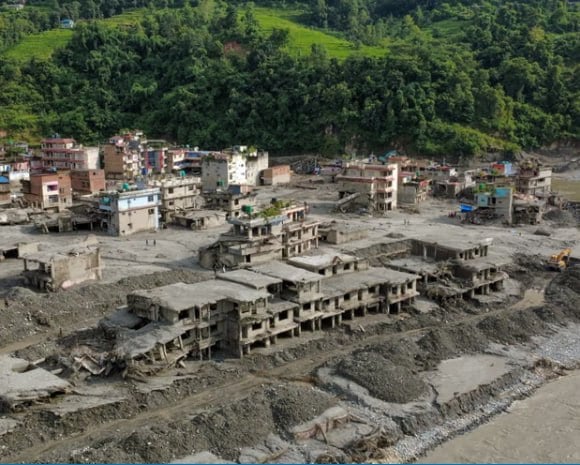
Researchers from the World Weather Attribution project and Imperial College London identified unusually high temperatures before the collapse of a section of the Langtang Lirung glacier on August 26. The event sent around 110 million cubic metres of snow and ice into the valley, causing a powerful flash flood that destroyed communities, homes, roads and infrastructure.
The study found that the region has experienced about 2°C of warming since pre-industrial times, while July and August 2026 were the warmest months recorded locally, with temperatures reaching 5°C above the 30-year average shortly before the disaster.
Scientists said climate change was not the sole cause of the collapse but acted as a major destabilizing factor by accelerating glacier retreat, increasing thawing and weakening mountain slopes affected by permafrost changes.
The disaster killed more than 1,300 people, while over 5,000 remain missing, according to the report. Researchers warned that such extreme events show the growing limits of adaptation in vulnerable mountain regions.