
Leaked Documents Reveal Alleged Taliban Cyber Campaign to Spread Propaganda and Target Opponents
Leaked Documents Reveal Alleged Taliban Cyber Campaign to Spread Propaganda and Target Opponents
——————————————
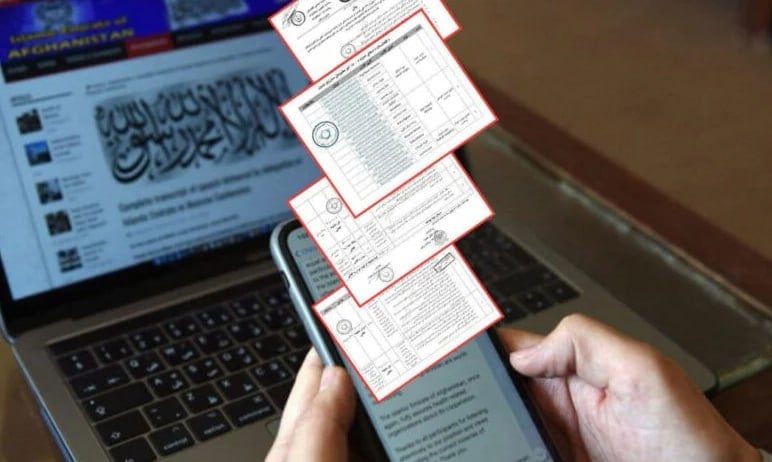
Leaked documents reportedly linked to the Taliban’s intelligence apparatus have revealed details of an alleged large-scale psychological and online influence campaign, involving a budget of 70.7 million Afghanis aimed at shaping public narratives, targeting opponents, and conducting information operations on social media.
According to reports by Independent Persian, the documents are associated with the Taliban intelligence department known as “Directorate 015” and describe a planned operation involving online activities, the creation of digital networks, and coordinated messaging campaigns.
The leaked material reportedly outlines 10 strategic objectives, including efforts to undermine the image of opposition figures, create divisions among resistance groups, counter critical media narratives, and influence public opinion inside Afghanistan and abroad.
The documents allege that more than 30 million Afghanis were allocated to intelligence units for campaigns targeting opposition figures, spreading narratives about divisions within resistance movements, and claiming influence among rival groups.
A further 20 million Afghanis were reportedly designated for media operations in northern and western regions of Afghanistan, while another 20 million Afghanis were allocated for campaigns targeting the Pakistani military, promoting ethnic narratives, and producing critical content concerning neighboring countries, including Iran and Tajikistan.
The documents also reportedly describe plans to establish around 300 new social media accounts and support more than 1,500 active accounts on the platform X, with the goal of expanding digital influence and promoting favorable narratives about the Taliban.
According to the reported documents, some accounts were allegedly designed to appear as independent voices, including profiles using women’s names or identities associated with certain Afghan provinces, in an effort to portray broader public support for Taliban policies.
The alleged operation also included plans to work with media platforms, channels, and local television outlets to amplify selected messages and counter criticism.