
Five Years After Taliban Takeover, Broad Recognition Remains Elusive
Five Years After Taliban Takeover, Broad Recognition Remains Elusive
Five years after the Taliban seized power in Afghanistan, the authorities in Kabul remain unable to secure broad international recognition amid continued criticism of their domestic policies, particularly restrictions on women and girls, declining public freedoms, the lack of inclusive political participation, and concerns over the rights of religious and ethnic minorities.
Despite establishing relations and maintaining contacts with several neighboring countries and regional and international powers, most of these states have limited their dealings with Kabul to security, economic, and humanitarian interests, without moving toward full political and legal recognition of the government formed by the Taliban.
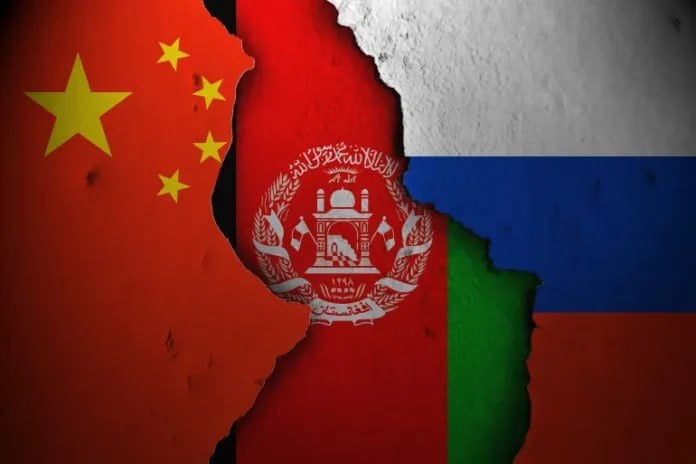
Russia remains the most notable exception after officially recognizing the Taliban government in July 2025, while other countries have refrained from taking a similar step despite continued diplomatic and trade contacts with the authorities in Kabul.
China, Iran, India, Türkiye, and Central Asian countries engage with the Taliban on issues including trade, energy, transportation, investment, and border security. However, these relations have not translated into formal recognition, reflecting continued reservations over the nature of Taliban rule and its domestic policies.
Several Arab countries, including Qatar, Saudi Arabia, and the United Arab Emirates, also maintain channels of communication with Kabul. Meanwhile, the United States and European countries continue to engage with the Taliban authorities over humanitarian aid, migration, counterterrorism, and detainee-related issues, without this constituting international acceptance of the current government’s legitimacy.
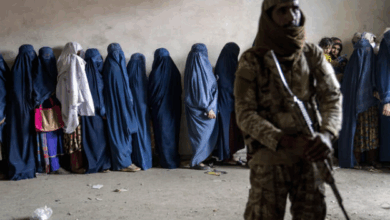
The rights of women and girls remain among the main sources of international criticism of the Taliban following the imposition of sweeping restrictions on education, employment, and public life, including barring girls from continuing their education beyond the sixth grade and preventing women from attending universities, as well as restrictions on their employment, movement, and participation in various areas of public life.
The Taliban also face criticism over the absence of an inclusive government representing Afghanistan’s various communities, as well as concerns regarding public freedoms, human rights, and the protection of minorities. These issues have remained central to international positions on recognizing the government in Kabul.
As the Taliban seek to capitalize on Afghanistan’s strategic geographic position and expand trade relations with neighboring countries in an effort to overcome their isolation, continued economic and diplomatic engagement with the movement largely reflects the need of other countries to deal with the existing reality and shared issues, rather than acceptance of its policies or recognition of its political legitimacy.
The past five years therefore show that practical relations and economic interests have not been sufficient to grant the Taliban government the international recognition it seeks. Its domestic policies, particularly those concerning women, freedoms, political participation, and the rights of different communities, remain among the main obstacles to broader international acceptance.