
UN Experts Warn EU Against Deporting Afghans Over Rights Concerns

UN Experts Warn EU Against Deporting Afghans Over Rights Concerns
————————–
UN human rights experts have warned European Union member states against forcibly returning Afghan nationals to Afghanistan.
In a statement reported on Thursday, October 22, the experts urged European countries to comply with their international obligations under human rights and refugee law, including the principle of non-refoulement, which prohibits returning people to countries where they face a real risk of serious harm.
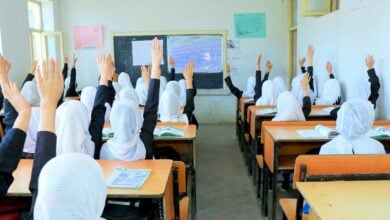
The experts said Afghanistan’s human rights situation remains dire, with women and girls facing widespread and systematic persecution that could amount to crimes against humanity.
They also highlighted serious abuses against ethnic and religious groups, human rights defenders, journalists, members of sexual and gender minorities, former Afghan security personnel and some public servants. Reported violations include torture and extrajudicial killings.
The experts stressed that governments must assess the risks facing each person before carrying out a return. They said involuntary removals must follow due process and warned that diplomatic assurances from authorities in the destination country do not remove states’ international legal responsibilities.
The warning comes amid growing European efforts to arrange the return of Afghan nationals whose asylum applications have been rejected or who are considered security risks.
In June 2026, the European Commission hosted a Taliban delegation in Brussels for talks concerning the return of Afghan nationals. The meeting was the first official visit by Taliban representatives to the EU capital, according to Reuters. European officials described the discussions as technical, while the visit drew criticism from human rights advocates concerned that engagement could help legitimise Taliban rule.
UN experts warned that engagement with the Taliban without clear human rights conditions could contribute to normalising serious abuses, including the systematic persecution of women and girls.
They called on EU member states to make improvements in Afghanistan’s human rights situation a clear condition of engagement and said there should be no normalisation or legitimisation of Taliban rule without concrete progress, including lifting restrictions on girls’ education beyond sixth grade.