

ASEAN Economic Integration Creates New Opportunities for Southeast Asia’s Muslim Communities
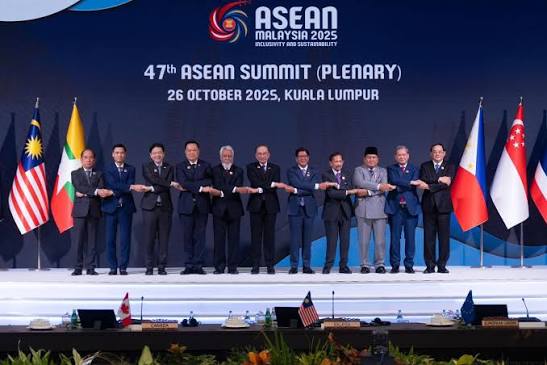
ASEAN Economic Integration Creates New Opportunities for Southeast Asia’s Muslim Communities
——————————————
The deepening economic integration of the Association of Southeast Asian Nations (ASEAN) is creating new opportunities for the region’s estimated 240 million Muslims, particularly in halal industries, small businesses and cross-border trade.
Analysts say ASEAN’s efforts to build a single market and strengthen regional trade links are allowing Muslim entrepreneurs and communities to benefit from wider markets and increased investment opportunities.
Melinda Martinus, a research fellow at the ASEAN Studies Centre of the ISEAS-Yusof Ishak Institute, said ASEAN’s economic frameworks, including the ASEAN Free Trade Area, the ASEAN Economic Community and the Regional Comprehensive Economic Partnership, have helped reduce trade barriers and expand economic cooperation among member states.
She noted that Muslim-owned small and medium-sized enterprises can benefit from easier regional trade, while the growing halal economy provides further opportunities for businesses producing goods and services that comply with Islamic standards.
Martinus also highlighted the potential role of Muslim communities in regional peacebuilding, humanitarian cooperation and efforts to prevent extremism through education and community engagement.
She said expanding opportunities for Muslim women entrepreneurs would also contribute to more inclusive economic growth.
While ASEAN continues to face challenges including geopolitical tensions, climate change and uneven development, officials and analysts say regional cooperation remains a key pathway toward greater economic participation and prosperity for diverse communities across Southeast Asia.