
Australia Launches National Quran Council to Strengthen Islamic Education, Coordinate Institutions
Australia Launches National Quran Council to Strengthen Islamic Education, Coordinate Institutions
———————————
The Australian National Imams Council (ANIC) has announced the preliminary launch of the Australian Quran Council (AQC), a new initiative aimed at strengthening Quranic education, coordinating Islamic institutions, and developing teaching programs and curricula across the country. The initiative seeks to help preserve and reinforce Islamic identity among younger generations of Australian Muslims.
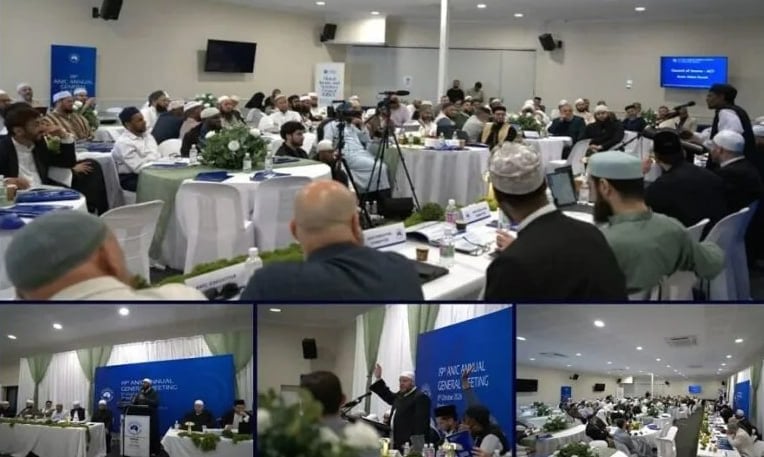
The announcement was made during ANIC’s 19th annual meeting, held in Brisbane on October 11, 2026. Imams and participating members unanimously voted to support the establishment and development of the new council and its objectives. According to a statement published on ANIC’s official Facebook page on Wednesday, October 28, the initiative aims to establish a national framework bringing together Quran teachers, scholars, educational institutions, and community organizations.
ANIC represents more than 360 imams and religious leaders from across Australia’s states and territories, providing an institutional foundation for the council during its initial development phase.
The Australian Quran Council plans to develop structured educational programs and prepare teaching curricula and resources tailored to schools, teachers, and students. Its objectives also include promoting Quranic sciences and the Islamic scholarly heritage, as well as providing training and professional development opportunities for those involved in Quranic education.
Another key component of the initiative is the proposed creation of a national database of Quran teachers, qualified memorizers of the Quran, scholars, and Islamic outreach professionals. The database is intended to facilitate communication among qualified personnel and encourage greater cooperation between Quranic education providers.
The council also aims to represent Quranic institutions at national and international levels, establish consistent educational standards, and improve the quality of Quran instruction. By encouraging collaboration and the sharing of expertise and resources, it seeks to reduce duplication of work and competition among institutions.
The initiative is expected to connect traditional Quran schools, kuttabs, mosques, educational institutions, scholars, and teachers throughout Australia, creating a coordinated national network dedicated to Quranic education.
Organizers have emphasized the importance of strengthening younger Australian Muslims’ connection with the Quran and preserving their Islamic identity through high-quality curricula, qualified teachers, and sustained institutional cooperation.
The preliminary launch marks an initial step toward organizing Quranic education at the national level in Australia. The council’s development is intended to address the educational and religious needs of Muslim communities while supporting more coordinated and effective approaches to teaching the Quran.