
Muslim Women in Scottish Politics Warn of Rising Islamophobia and Racism
Muslim Women in Scottish Politics Warn of Rising Islamophobia and Racism
——————————————–
Muslim politicians and activists in Scotland have warned that rising Islamophobia, racism, and anti-Muslim rhetoric are creating an increasingly hostile environment for Muslim participation in public life, particularly for women. They say stereotypes and prejudice continue to undermine equal opportunities for Muslims seeking political office and involvement in public affairs.
According to a report published by The Observer Post, concerns over the underrepresentation of Muslims in Scottish political institutions have intensified, with Muslim women facing particular obstacles when seeking elected positions.
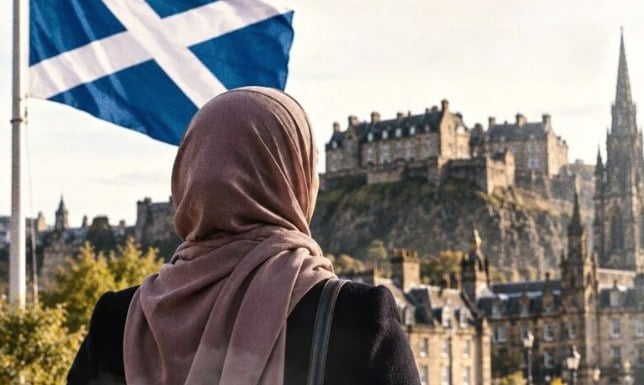
Fatima Joji, a local councillor representing the Scottish National Party (SNP), said visibly Muslim women often face assumptions about their religious beliefs and political intentions. She noted that some voters mistakenly believe Muslim candidates intend to impose their religious views on others. Such perceptions, she argued, can undermine political participation, while limited representation leaves Muslim women more exposed to abuse and targeting, potentially discouraging them from standing for election or entering public service.
Joji also warned that misinformation and stereotypical portrayals in parts of the media and political discourse can reinforce anti-Muslim sentiment. As a result, Muslim politicians may feel compelled to work harder to demonstrate their qualifications and legitimacy as public representatives.
Dr. Surya Siddiqui, a Labour councillor, called on political parties to take a firmer stand against racism and intolerance and provide stronger support for candidates from diverse religious and cultural backgrounds. She stressed that politicians should not be marginalized or penalized for raising issues affecting their communities.
The report also revisited the significance of former First Minister Humza Yousaf’s appointment, which was welcomed by many in Scotland’s Muslim community but did not eliminate concerns about discrimination and limited political representation.
The women involved in the discussion emphasized that improving minority representation requires more than increasing the number of elected officials from underrepresented communities. They argued that broader reforms are needed to address institutional bias, exclusionary rhetoric, and discrimination.
Their calls add to wider demands for Scottish political parties and public institutions to strengthen measures against Islamophobia and hate speech, protect Muslim women from abuse, and ensure that all citizens can participate in political life on equal terms.