
After 11 Years: DNA Testing Procedures Begin for the Remains of 67 Yazidi Victims from Khansour Mass Graves
After 11 Years: DNA Testing Procedures Begin for the Remains of 67 Yazidi Victims from Khansour Mass Graves
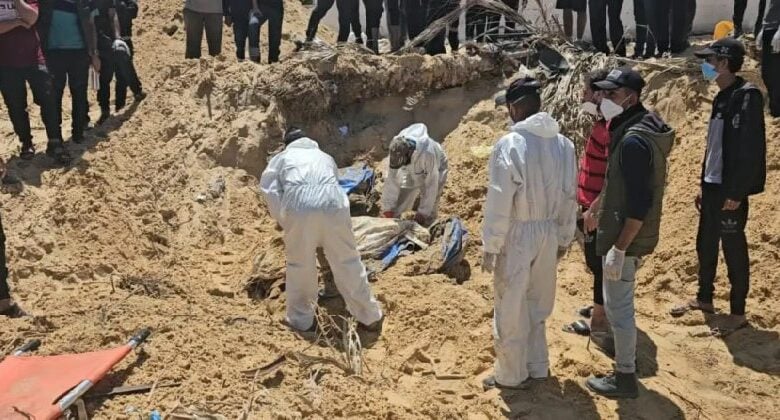
Patricor Human Rights Organization announced on Friday, August 21, 2026, the start of technical procedures to reopen the burial site containing the remains of 67 Yazidi victims recovered from a mass grave in the Khansour area, north of Sinjar, in preparation for DNA testing and the identification of the victims, after more than 11 years of waiting.
In a statement, the organization said that the Iraqi National Team responsible for opening and excavating mass graves, with the participation of the International Commission on Missing Persons, had conducted an initial technical assessment of the burial site at the Sharaf al-Din Shrine in preparation for reopening the site and recovering the remains.
It added that the process of reopening the site is scheduled to begin on September 19 and 20 and continue for 18 working days. The remains will then be transferred to the Department of Forensic Medicine in Baghdad for forensic examinations and DNA matching with samples collected from the relatives of missing persons, with the aim of scientifically and officially identifying the victims.
The case dates back to 2015, when the remains of 67 Yazidi victims were recovered from a mass grave in Khansour. They were later reburied at the Sharaf al-Din Shrine on August 13 of the same year without completing the identification procedures through DNA testing.
The organization explained that the victims’ families had spent years demanding the identification of the remains, clarification of the fate of their relatives, and access to their legal and humanitarian rights, describing the current step as an important development in addressing a case that has remained unresolved for more than a decade.
It stressed the need to carry out the recovery, transfer, and examination of the remains in accordance with legal and technical standards to ensure the preservation of evidence and the integrity of procedures, while involving the victims’ families and keeping them regularly informed of the stages and results of the process.
The organization also called on the relevant authorities to accelerate the collection of reference samples from the families of missing persons inside and outside Iraq in order to increase the chances of successful DNA matches and victim identification.
It emphasized that the purpose of the operation is not limited to recovering the remains, but also to restoring the name and identity of every victim and enabling their families to learn their fate, receive their remains, and bury them in a manner that preserves their dignity, as well as obtain the official documents and legal rights resulting from the confirmation of their identities.