
Food Insecurity Crisis Persists in Northern Syria Despite Improved Harvest
Food Insecurity Crisis Persists in Northern Syria Despite Improved Harvest
——————————————-
Parts of northern Syria continue to face crisis-level food insecurity, with worsening conditions expected to expand to additional areas later this year, according to the Famine Early Warning Systems Network (FEWS NET).
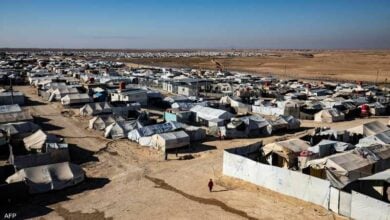
In a report based on data through June 22, FEWS NET said crisis-level food insecurity (IPC Phase 3) is expected to continue across northeastern and northwestern Syria through January 2027. The situation is being driven by declining seasonal incomes, rising agricultural costs, reduced earnings, and increasing expenses for winter preparations.
Although agricultural harvests have improved in some areas, the benefits have largely reached wealthier households, while many poorer families have used their income to repay debts rather than improve access to food. Displaced communities and households that have lost livelihoods continue to face limited employment opportunities.
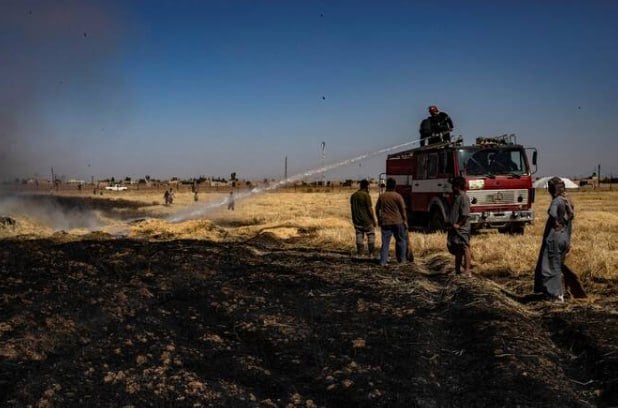
The monitor warned that Latakia governorate is expected to reach crisis-level food insecurity by October. Flooding along the Euphrates River damaged farmland and irrigation systems in Deir Ezzor and Raqqa, while widespread fires during the harvest season destroyed crops and worsened conditions in Suweida.
Economic pressures have further deepened the crisis. FEWS NET reported that the Syrian pound lost around 15 percent of its value between April and June, while higher fuel prices increased transportation and food costs. Subsidized bread allocations were also reduced, increasing the burden on low-income families.
The United Nations estimates that 15.6 million Syrians require humanitarian assistance, with about 80 percent of the population living below the poverty line.