
Worsening Malaria Outbreak in Yemen; Rising Cases in Four Provinces and Warnings of Widespread Health Crisis
Worsening Malaria Outbreak in Yemen; Rising Cases in Four Provinces and Warnings of Widespread Health Crisis
——————————————————-
The spread of malaria in several provinces of Yemen has been increasing, and alongside weak healthcare services and poor environmental conditions, concerns about the disease turning into a larger crisis are growing.
The health situation in Yemen has once again drawn the attention of health organizations due to a rise in infectious diseases, particularly malaria.
The spread of the disease across various regions highlights the fragility of the country’s healthcare infrastructure and environmental conditions.
According to Asharq Al-Awsat newspaper, medical sources have reported significant increases in suspected malaria cases in the provinces of Al Hudaydah, Hajjah, Ibb, and Al Mahwit during the first quarter of this year.
The rise in cases has been notably more severe in coastal and humid areas, such as Al Hudaydah and Hajjah.
The report further mentions that experts believe the disease’s spread to higher-altitude provinces like Ibb and Al Mahwit reflects a shift in malaria’s transmission pattern.
This change could be attributed to new environmental factors and weaknesses in public health control, which have expanded the disease’s reach beyond traditional areas of transmission.
Recent increases in rainfall have led to stagnant water and waste accumulation in various regions, creating ideal breeding conditions for malaria-carrying mosquitoes.
Meanwhile, a decline in preventive measures, including spraying and environmental control, has worsened the situation.
In this context, the World Health Organization (WHO) has warned that about 64% of Yemen’s population lives in areas at risk of malaria transmission.
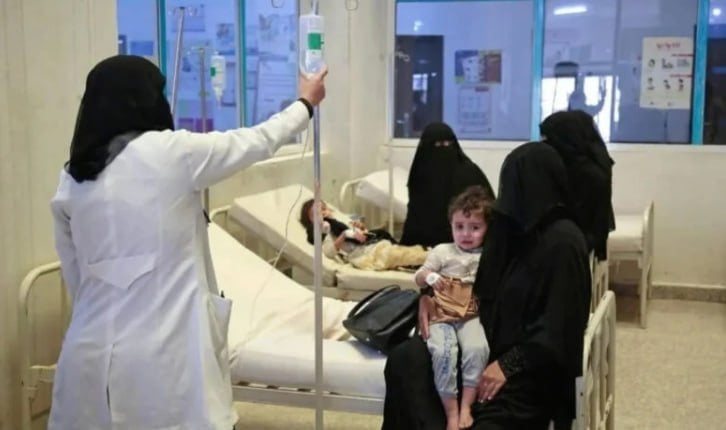
The organization also emphasized that children under five and pregnant women, due to weakened immune systems and malnutrition, are the most vulnerable to the disease.