
Debate Over Sharia Law Intensifies in US as Muslim Groups Respond to Political Rhetoric
Debate Over Sharia Law Intensifies in US as Muslim Groups Respond to Political Rhetoric
————————————
A renewed political debate over Sharia law in the United States has drawn strong reactions from Muslim civic leaders and scholars, who argue that Islamic principles are being misrepresented, while some politicians continue to call for restrictions on its influence.
The issue gained renewed attention after Republican leaders in Texas criticized Sharia law during a recent political gathering, with calls to prevent what they described as its application in the United States.
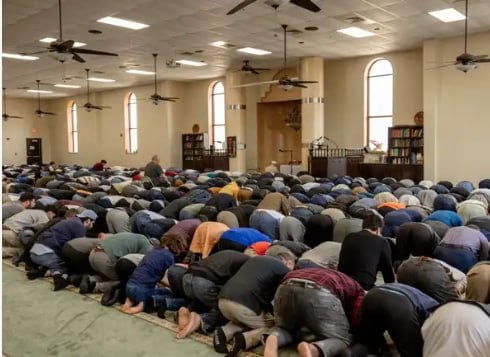
Muslim American organizations and scholars have responded by defending Sharia as a religious framework that guides personal faith, worship and ethical conduct rather than a replacement for the U.S. legal system. They compare its role to religious guidance found in other faith traditions, such as Jewish religious law and Christian practices.
Experts note that Sharia has different interpretations across Muslim communities and countries. While some governments have incorporated elements of Sharia into their legal systems, many Muslim Americans practice it as a matter of personal belief and religious observance within the framework of U.S. law.
Advocates of greater public understanding say anti-Sharia rhetoric often confuses religious practices, such as prayer, fasting, charitable giving and family guidance, with political or legal systems. They argue that such portrayals contribute to misconceptions about Muslim communities.
Opponents, including some Republican lawmakers, maintain that Sharia-based systems could conflict with constitutional principles and have supported legislative efforts aimed at preventing foreign legal influences from affecting U.S. courts.
Texas has become a focal point in the debate, where state officials have examined the activities of Islamic religious mediation groups. One such organization has stated that it does not operate as a court and that its services are limited to voluntary religious guidance and mediation, with all legally binding matters handled by U.S. courts.