
Doctors Issue Heatstroke Prevention Guidelines for Arbaeen Pilgrims During Summer
Doctors Issue Heatstroke Prevention Guidelines for Arbaeen Pilgrims During Summer
———————————-
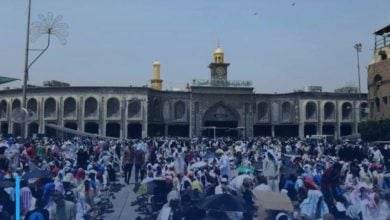
As temperatures rise during the summer and millions prepare for the Arbaeen pilgrimage walk, health experts are warning of the serious risks of heatstroke.
More details in the following report:
Medical specialists say recognizing the symptoms of heat-related illness and following basic health and nutrition guidelines are essential to protecting the safety of pilgrims traveling long distances toward Karbala in hot weather.
Heatstroke is a medical emergency that can quickly lead to organ failure and other serious complications if not treated immediately. In severe cases, the body’s natural temperature regulation system fails, and internal body temperature can rise above 41 degrees Celsius within 10 to 15 minutes.
Symptoms such as confusion, dizziness, weakness, difficulty speaking, seizures, and irregular heartbeat are considered serious warning signs and require immediate transfer to hospital.
Extreme heat also places additional pressure on the heart, lungs, and kidneys, increasing the risk of complications for people with underlying health conditions.
According to Salamat News, children, the elderly, people with chronic illnesses, and outdoor workers are among the groups most vulnerable to the effects of heatwaves.
Doctors say special precautions are especially important for Arbaeen pilgrims, particularly those walking long routes or passing through crowded border crossings such as Mehran, Shalamcheh, and Chazabeh.
Health specialists recommend that pilgrims avoid carbonated and caffeinated drinks, which can contribute to dehydration, and instead use traditional hydrating drinks such as sekanjabin, khakshir, and basil seed drinks.
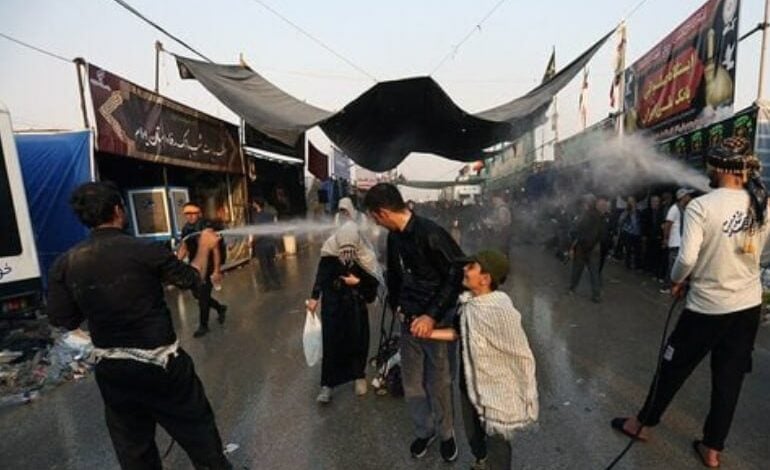
They also advise pilgrims to wear loose cotton clothing, use hats and sunglasses, moisten head coverings with water or rosewater, and walk during cooler hours in the evening and at night.
Doctors stress that if early symptoms such as nausea or extreme fatigue appear, pilgrims should immediately stop walking, move to a cool mawkib, and use cold compresses on the neck and underarms to help lower body temperature.
Health experts also emphasize the importance of preparing before travel. Pilgrims are advised to strengthen their bodies in the weeks before departure by drinking a daily mixture of lukewarm water, fresh lemon, and honey.
They also recommend avoiding overeating during the journey, staying away from excessively cold water that may increase false thirst, and replacing fatty or heavily spiced foods with water-rich fruits such as watermelon. These steps can help prevent poisoning, muscle cramps, and sudden energy loss during the spiritual journey.