
Anti-Muslim Rhetoric Intensifies in US as Abdul El-Sayed Makes Historic Senate Bid
Anti-Muslim Rhetoric Intensifies in US as Abdul El-Sayed Makes Historic Senate Bid
———————————–
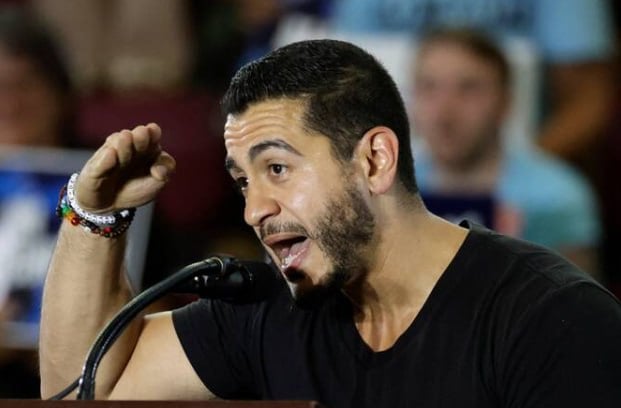
The historic nomination of Abdul El-Sayed as the first Muslim candidate chosen by the Democratic Party for a US Senate race has been accompanied by renewed concerns over rising anti-Muslim rhetoric and opposition targeting Muslim communities across the United States.
El-Sayed’s breakthrough in Michigan was celebrated by many Muslim Americans, but civil rights groups warned that his campaign has also triggered a wave of criticism and attacks from some political figures who portray Muslim public officials as a threat to national security.
The backlash has extended beyond politics, with growing tensions reported in several communities over proposals to build new mosques. The Council on American-Islamic Relations (CAIR) said that while Muslim Americans have achieved greater visibility in public life, including in politics, entertainment, and sports, they are also facing increased hate speech and opposition.
In McKinney, Texas, a city council approved plans for a new mosque and Islamic center despite heated opposition from some residents who made anti-Muslim statements during a public meeting. Supporters of the project argued that religious institutions should be treated equally under the law.
Similar disputes have emerged in Mooresville, North Carolina, where residents expressed hostility toward a planned mosque, and in Broken Arrow, Oklahoma, where a Muslim organization filed a lawsuit alleging discriminatory treatment after its mosque rezoning request was rejected.
Muslim rights advocates said such controversies reflect a broader rise in anti-Muslim sentiment, particularly during election periods. They accused some political actors of spreading fear and misinformation, while critics of mosque projects have cited concerns related to security and cultural issues.
Civil rights groups emphasized that Muslim Americans are an established part of US society and called for equal treatment, protection of religious freedom, and an end to rhetoric that they say fuels discrimination and hostility.