
UN Report: Half of Afghan Women Rarely Leave Home Amid Growing Restrictions
UN Report: Half of Afghan Women Rarely Leave Home Amid Growing Restrictions
————————————
A new report by UN Women has revealed that increasing restrictions on women’s movement, education, and participation in public life in Afghanistan are contributing to worsening mental health conditions and limiting women’s ability to shape their futures.
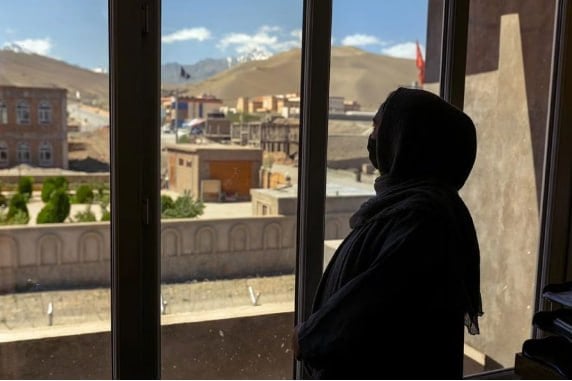
The report, titled “Five Years On: Afghan Women’s Futures at a Crossroads,” is based on a nationwide survey conducted in April and May 2026 involving 2,811 people, including 2,210 women. It found that 52 percent of Afghan women leave their homes no more than twice a month, compared with 96 percent of men who leave home daily.
The report noted that restrictions are particularly severe in rural areas, where 62 percent of women said they rarely leave home. Around 90 percent of women surveyed said they require permission from a male family member to go outside, while 75 percent said they do not feel safe leaving home without a male relative.
UN Women also highlighted the impact of these restrictions on access to essential services, with many women avoiding public spaces such as markets and healthcare facilities. About two-thirds of women reported limiting what they say in public, while 70 percent described their mental health as poor or very poor.
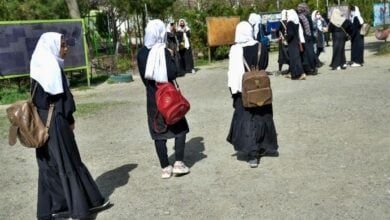
Education remains a major concern, with 76 percent of women saying their access to education has declined since the Taliban returned to power, and 56 percent reporting further deterioration over the past year.
Despite the challenges, the report emphasized that Afghan women continue to prioritize education, equal rights, and economic opportunities. Many said they would return to studying, working, or running businesses if restrictions were lifted.
UN Women warned that prolonged exclusion from education and employment could lead to lasting consequences by depriving women and girls of skills, experience, and opportunities, potentially affecting future generations.
The organization stressed that Afghan women’s aspirations remain strong, but continued restrictions risk making social and economic exclusion increasingly permanent.