
Israeli military continues killing of civilians in violation of int. law amid rising regional tensions

Israeli military continues killing of civilians in violation of int. law amid rising regional tensions
————————————–
Escalating Israeli military operations in Lebanon, continued ceasefire violations in Gaza, renewed tensions at Jerusalem’s Al-Aqsa Mosque compound, and rising maritime friction in the Strait of Hormuz have collectively intensified regional instability, as diplomatic efforts involving the United States, Iran, Lebanon, and Israel remain stalled and the United Nations calls for restraint.
At least 34 civilians were killed and 174 injured in Israeli strikes across Lebanon over the past 24 hours, according to Lebanon’s Health Ministry, bringing the total death toll since March 2 to 2,089, including 166 children and 252 women. More than 6,762 people have been wounded. Lebanese authorities say Israeli air and ground operations continue despite a ceasefire agreement reached in November 2024, with ongoing occupation of parts of southern Lebanon.
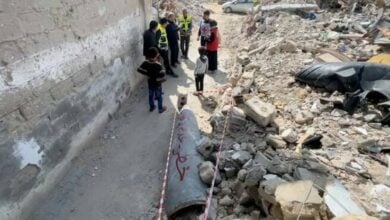
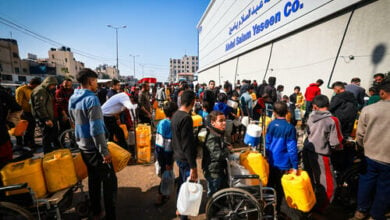
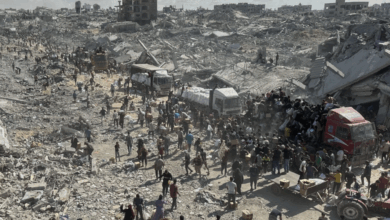
In the Gaza Strip, at least six Palestinians were killed on Monday despite a ceasefire in place since October 2025. Gaza health authorities report 754 deaths and more than 2,100 injuries since the truce began, citing repeated violations across multiple areas including Deir al-Balah, Rafah, Khan Younis, and Gaza City. The broader war has killed more than 72,300 Palestinians since its outbreak, according to local figures.
Tensions also escalated in East Jerusalem, where more than 200 Israeli settlers—reported as 215 individuals—entered the Al-Aqsa Mosque compound under police protection and performed religious rituals. Palestinian officials described the move as a violation of the longstanding status quo governing the site, one of Islam’s holiest locations.
Diplomatic efforts remain fragile. Planned talks between Lebanon and Israel in Washington aimed at advancing a ceasefire framework have sparked internal divisions in Lebanon, with Hezbollah opposing engagement.
In the maritime domain, tensions in the Strait of Hormuz have risen following reports of US naval restrictions targeting vessels linked to Iranian ports. Ship tracking data indicates disruptions to commercial traffic, with Iran warning of “serious consequences” for global trade if pressure on the waterway continues.
The United Nations has urged all parties to exercise restraint and comply with ceasefire agreements, warning that sustained violations risk further destabilizing an already volatile region.