
Long Island Muslim Community Reflects on Discrimination, Fear and Healing 25 Years After 9/11
Long Island Muslim Community Reflects on Discrimination, Fear and Healing 25 Years After 9/11
————————————-
Twenty-five years after the September 11, 2001 attacks, nearly 100,000 Muslims living on New York’s Long Island continue to reflect on the profound social changes they experienced after being suddenly viewed by some as potential suspects rather than ordinary citizens.
Despite years of pressure, hate crimes and both overt and subtle forms of discrimination, the community’s growing participation in civic life and public-service institutions in recent years has demonstrated resilience, successful integration and a gradual movement toward social healing.
The September 11 attacks had far-reaching social and psychological consequences for religious minorities across the United States. American Muslims in particular found themselves facing not only the emotional impact of the attacks but also widespread suspicion, discrimination and hostile media narratives.
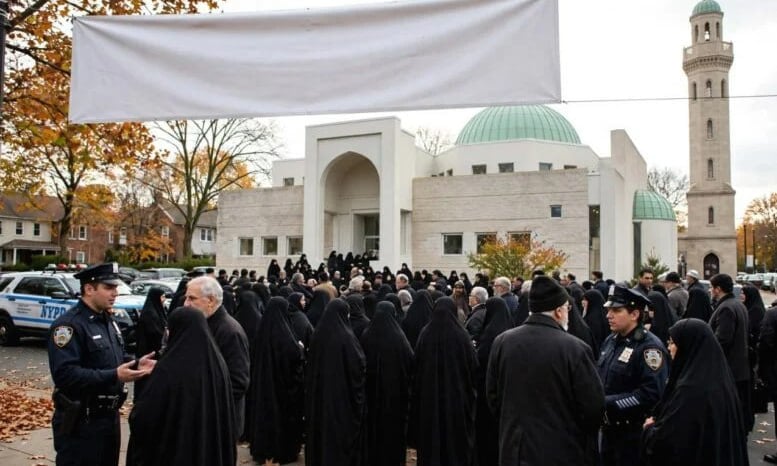
Intensified security measures and discriminatory social attitudes at the time challenged the sense of safety and belonging of many Muslim families. According to the American newspaper Newsday, Muslims across Long Island have recalled a sharp rise in hate crimes, incidents involving the desecration of mosques and other places of worship, as well as cases of wrongful and prolonged detention.
The psychological pressure created by suspicion and unfounded accusations made everyday life difficult for many Muslim citizens for years, forcing them to make greater efforts to demonstrate their good faith and defend their legal rights.
Despite these long-standing challenges, sustained efforts by the Muslim community to raise public awareness and participate actively in civic programs have contributed to gradual improvements.
The establishment and expansion of mosques and Islamic centers, the appointment of Muslim religious leaders and chaplains within public and service institutions, and stronger responses by local authorities to anti-Muslim behavior have all contributed to greater social acceptance of Muslims.
Social experts note that eliminating less visible forms of discrimination will still require time and continued public education. Nevertheless, they say the relationship between Muslim communities and wider American society has become more open and constructive than in the past.
For Long Island’s Muslim community, maintaining religious and ethical values while embracing civic responsibility has been a key factor in transforming the fears and challenges of the past into greater hope, participation and constructive engagement today.