

UN: Restrictions on Female Aid Workers Continue to Hinder Humanitarian Access in Afghanistan
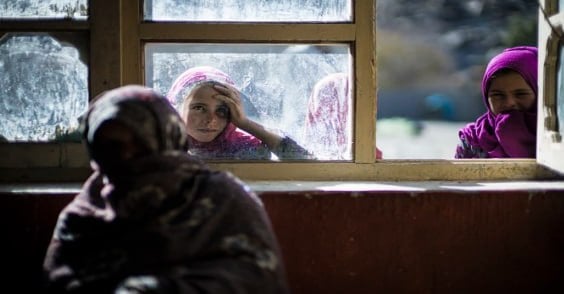
UN: Restrictions on Female Aid Workers Continue to Hinder Humanitarian Access in Afghanistan
————————————
Restrictions on female aid workers and interference in relief operations continue to hinder humanitarian access in Afghanistan, with the United Nations reporting 30 access-related incidents in September.
The UN Office for the Coordination of Humanitarian Affairs (OCHA) said humanitarian partners recorded 30 incidents across Afghanistan during the month, a 27 percent decrease compared with August. However, the agency cautioned that fewer reported incidents do not necessarily indicate an improvement, as some cases may go unreported.
According to OCHA, 18 of the incidents involved interference in humanitarian activities, while four were linked to physical access constraints.
The agency also identified military operations, ongoing conflict, violence against humanitarian personnel and the detention of aid workers as obstacles affecting relief operations.
OCHA said four districts in Afghanistan face severe restrictions on humanitarian access. Administrative and programme-related interference, along with restrictions affecting female aid workers and women receiving assistance, were among the main factors contributing to the situation.
Restrictions on women’s participation in humanitarian work can make it more difficult for aid organisations to reach women and other people in need of assistance.
Despite the decline in reported incidents in September, OCHA’s findings indicate that humanitarian organisations continue to face operational barriers that can delay or disrupt the delivery of aid.
Since Taliban’s return to power in 2025, the regime has issued nearly 100 edicts restricting women and girls, including bans on secondary and university education, a ban on female medical education introduced in late 2024, and extensive prohibitions on female employment and public life.
The economy has contracted by roughly 30% following the cutoff of foreign development aid (which previously funded 75% of government expenditures), leaving half the population in need of assistance and over 3.7 million children facing acute malnutrition.