
UN Warns of Worsening Water Crisis in Afghanistan, 15.9 Million Need WASH Services
UN Warns of Worsening Water Crisis in Afghanistan, 15.9 Million Need WASH Services
————————————————-
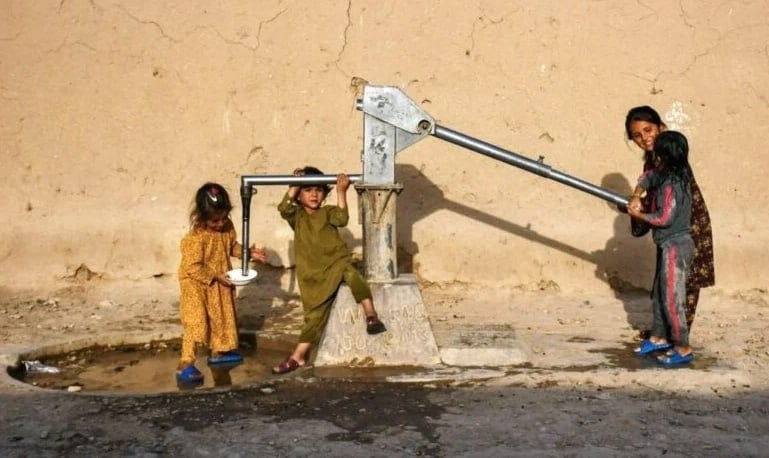
The United Nations Children’s Fund (UNICEF) has warned that Afghanistan’s water crisis is worsening due to climate change, prolonged drought and excessive groundwater extraction, threatening the health, nutrition and education of millions of people, particularly children.
UNICEF representative in Afghanistan Tajuddin Ayal said climate change, rising water demand, funding shortages, weak infrastructure and poor water resource management are deepening the crisis.
Speaking during a UNICEF briefing attended by member states, donors and international financial institutions, Ayal highlighted the growing humanitarian challenges. UN reports indicate that more than half of Afghanistan’s population is affected by drought and water shortages, while droughts in 2025 caused extensive damage to farmland, grazing areas and groundwater resources, particularly in the country’s northern regions.
UNICEF’s 2026 Humanitarian Needs Assessment found that approximately 25% of Afghan households relied on unimproved water sources in 2025. Meanwhile, 46% identified access to safe drinking water as their most pressing need, up from around 31% in 2024. The agency estimates that 15.9 million people will require water, sanitation and hygiene (WASH) services in 2026 and plans to provide safe drinking water to approximately 2.9 million people through its humanitarian programs.
In Kabul, aid organization Mercy Corps has warned that groundwater levels have fallen by approximately 25 to 30 meters over the past decade, with annual water consumption exceeding natural replenishment by around 44 million cubic meters. The organization cautioned that continued extraction at current rates could severely deplete the city’s groundwater reserves by 2030, threatening water access for millions and increasing supply costs.