
Taliban Raid on Kabul Seminary Raises Concerns Over Shia Religious Freedom
Taliban Raid on Kabul Seminary Raises Concerns Over Shia Religious Freedom
——————————————
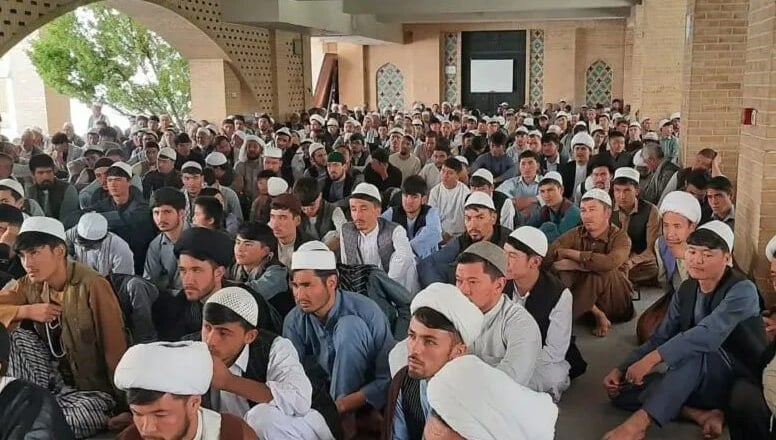
Taliban forces stormed the Khatam al-Nabiyin seminary in the Afghan capital on Saturday evening, according to local reports, arresting 28 people linked to the institution. The raid has intensified concerns over restrictions on Shia religious, educational and cultural activities in Afghanistan.
The operation reportedly followed earlier moves by Taliban authorities to clear the seminary and assume control of its premises. The institution is affiliated with the Khatam al-Nabiyin Foundation, established by the late Grand Ayatollah Sheikh Mohammad Asif Mohseni, which also includes Khatam al-Nabiyin University and Tamadun TV.
The Taliban have claimed that the facilities were constructed on government-owned land. Officials associated with the foundation, however, maintain that they possess legal and religious documents establishing their ownership. Local reports indicate that no final court ruling has been issued in the dispute.
The seminary’s board of trustees previously said that the Taliban Ministry of Justice had closed the institution’s mosque, Husseiniya, library and two affiliated schools for boys and girls. The student dormitory initially remained open but was later reportedly evacuated and closed.
The latest action follows a series of measures affecting Shia institutions in Kabul. Among them was the reported raid on Tamadun TV last July, which resulted in the suspension of its broadcasts and closure of its headquarters. Several Shia religious schools and offices in the capital have also reportedly been closed in recent years.
Shia and Hazara communities have increasingly expressed concern that the measures go beyond property disputes and reflect broader restrictions on religious and sectarian freedoms. They have pointed to developments including the repeal of the Shia Personal Status Law, restrictions on the teaching of Ja’fari jurisprudence in some educational institutions, and the removal of books considered inconsistent with Hanafi jurisprudence from some libraries.
Shia scholars and community figures have repeatedly called for followers of the Ahlulbayt to be allowed to conduct religious rituals and teach their jurisprudence freely. They have warned that restrictions on religious and educational activities could deepen perceptions of marginalization and exclusion.