
Canada: Quebec Government Plans to Ban Hijabs, Other Religious Symbols in Primary Schools Amid Widespread Rights Concerns
Canada: Quebec Government Plans to Ban Hijabs, Other Religious Symbols in Primary Schools Amid Widespread Rights Concerns
————————————–
The government of the Canadian province of Quebec plans to expand its secularism laws to prohibit primary school students from wearing visible religious symbols, including Islamic hijabs, Sikh turbans and Jewish kippahs. The proposal has drawn criticism from human rights organisations and educational institutions, which have warned of its potential impact on religious freedom and children’s rights.
Quebec Education Minister Joel Arseneau confirmed on Wednesday, October 28, that the government intends to proceed with the proposed restrictions, describing them as a campaign commitment of the governing party and stating that their implementation was non-negotiable, according to the Canadian Press.
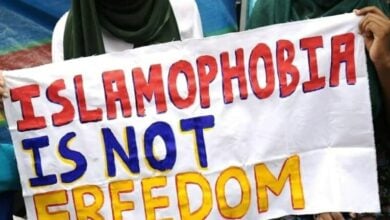
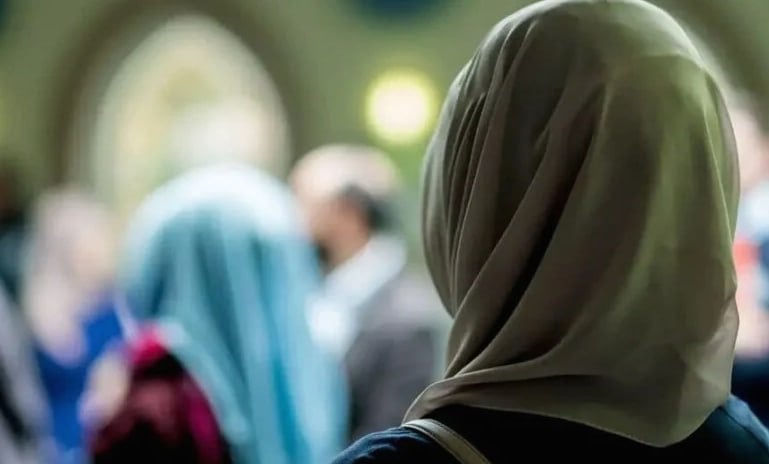
The announcement prompted criticism from several organisations. The National Council of Canadian Muslims (NCCM) said the proposed ban would restrict children’s freedom of religion and religious expression and could discriminate against religious minorities, particularly Muslim girls who wear the hijab.
The Quebec English School Boards Association called on the government to withdraw the proposal, warning that it could affect children’s access to education and undermine efforts by schools to provide an environment that respects religious and cultural diversity.
The Canadian Civil Liberties Association also opposed the proposed measure, raising concerns about its implications for freedom of religion, equality and the fundamental rights of children.
Despite the government’s stated commitment to the proposal, it had not become law as of November 3, 2026. No official date had been announced for its introduction in the Quebec National Assembly, which is scheduled to resume proceedings on November 17.
The proposal has brought renewed attention to the debate over secularism laws in Quebec, particularly the possibility of extending restrictions on religious expression to primary school children and the potential consequences for religious freedom and equality in educational institutions.