
The Restriction of Protest Space in India Raises Concerns About Freedom of Expression and Assembly
The Restriction of Protest Space in India Raises Concerns About Freedom of Expression and Assembly
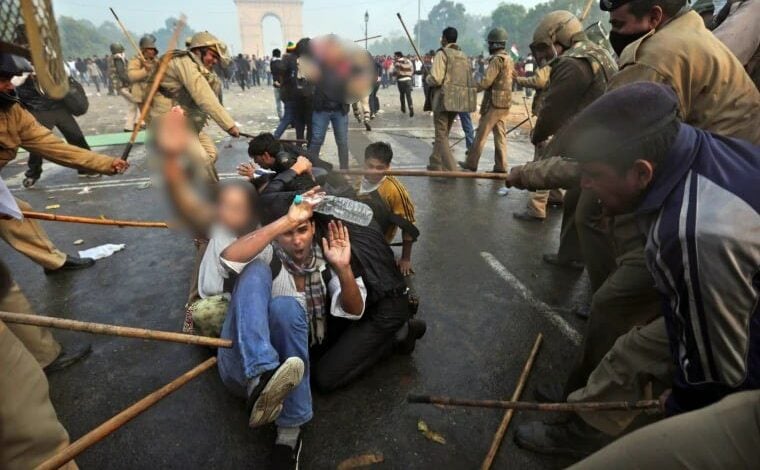
The manner in which Indian authorities have handled protests across various parts of the country has raised concerns about the shrinking space for freedom of expression and peaceful assembly, amidst criticism for the use of stringent security measures against demonstrators.
In an analysis published by “I-CONnect,” a website specializing in constitutional matters, constitutional law researcher Sosin Campbell highlighted the protests by the “Cockroach Janata Party” at Jantar Mantar in the capital, New Delhi, as well as popular movements opposing the Ken-Betwa river linking project in Madhya Pradesh.
The analysis pointed out that the Indian constitution guarantees freedom of expression and peaceful assembly under Article 19. However, the exercise of these rights, according to the researcher, is increasingly facing restrictions in practice.
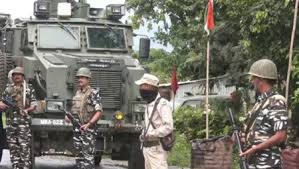
The protests by the “Cockroach Janata Party” erupted over allegations of irregularities in examinations and demands for education sector reforms. Reports have mentioned intense security deployments, the establishment of barriers, and the use of tear gas and batons, in addition to the removal of structures set up by protesters at the demonstration site.
In Madhya Pradesh, protests against the Ken-Betwa river linking project voiced demands related to the project’s impact on local populations, compensation, and concerns raised by affected local communities and tribes. Police cleared one protest site and removed demonstrators on hunger strike, with some being transported to hospitals.
Campbell considered these developments as revealing a gap between the constitutional guarantees of the right to peaceful protest and the actual ability to exercise this right, warning that the repeated treatment of protest gatherings as security threats could gradually undermine the constitutional protection of public freedoms.
The analysis highlighted that the decline in democratic practices may occur gradually through the accumulation of restrictions and measures, rather than necessarily through the direct annulment of rights, noting the ongoing influence of certain legal legacies related to gatherings and public order regulation.
Despite Indian courts’ previous affirmations of the importance of peaceful protest as part of democratic life, there is an escalating debate over the extent of the restrictions authorities can impose on this right and the impact of increased security measures on freedom of expression and assembly in the country.