
France’s Hijab Restrictions Limit Muslim Women’s Education and Employment Opportunities
France’s Hijab Restrictions Limit Muslim Women’s Education and Employment Opportunities
————————————————
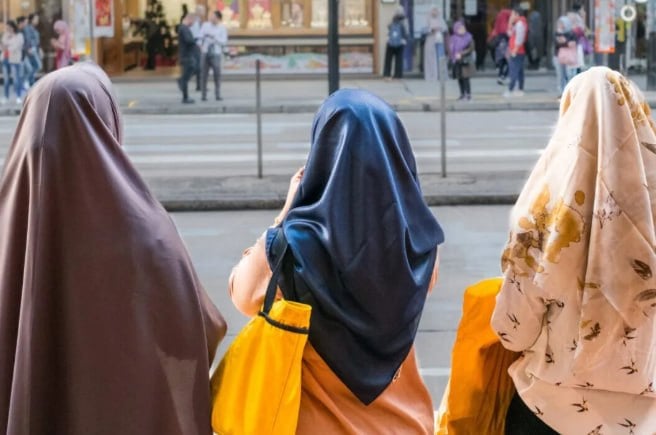
Restrictions on wearing the hijab in France continue to affect Muslim women’s access to education, employment and participation in public life. Rules banning conspicuous religious symbols in public primary and secondary schools, alongside restrictions affecting public-sector employees and some sporting activities, have narrowed the choices available to women who wear Islamic headscarves.
The impact extends beyond formal bans. Some Muslim women reportedly change their educational paths, abandon preferred careers, remove their hijabs to meet workplace requirements or consider moving abroad in search of greater professional freedom. Although private-sector rules vary according to employers’ policies and applicable law, concerns persist that religious dress can become a barrier to recruitment and career progression.
The debate has intensified amid renewed political calls to expand restrictions on the hijab in public spaces. Supporters of France’s secularism policies frame them as a way to preserve neutrality in public institutions, while critics argue that the measures disproportionately burden Muslim women, limit personal choice and undermine equal access to education and work. For many affected women, the issue is not simply religious clothing, but the ability to pursue a career and participate in society without having to choose between their faith and their future.