
Report Estimates Nearly 16,000 Mosques Destroyed or Altered in Xinjiang
Report Estimates Nearly 16,000 Mosques Destroyed or Altered in Xinjiang
———————————–
A 2020 study by the Australian Strategic Policy Institute estimated that nearly 16,000 mosques in Xinjiang had been demolished, damaged or structurally altered, raising concerns over the preservation of Uyghur Muslims’ religious and cultural heritage.
According to the Australian Strategic Policy Institute (ASPI), approximately 65 percent of mosques in Xinjiang, also known as East Turkestan, in northwestern China, had been affected, with most of the changes occurring since 2017.
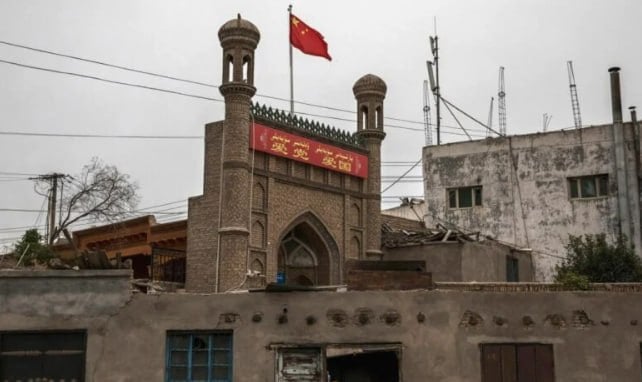
The report estimated that around 8,500 mosques had been completely demolished, while another 7,500 had undergone structural alterations, including the removal of domes, minarets, gates and other Islamic architectural features.
Researchers based their estimates on satellite imagery and an examination of hundreds of religious sites, using statistical models to assess the broader situation across the region.
The study also documented changes to other Islamic religious and cultural heritage sites. It estimated that approximately 30 percent of the shrines, tombs and historical pilgrimage sites examined had been demolished, while a further 28 percent had been damaged or altered.
The report’s authors linked the changes to policies affecting the religious and cultural landscape of Uyghurs and other Muslim communities in Xinjiang. The findings have contributed to wider international concerns about restrictions on Uyghur religious practices and the preservation of their cultural identity.
Chinese authorities maintain that they respect freedom of religious belief and describe their policies in Xinjiang as measures to combat extremism and promote ethnic integration.
The condition of mosques and other Islamic heritage sites in the region remains a subject of concern for human rights organisations and researchers examining the protection of Uyghur religious and cultural traditions.