
US Religious Landscape Shifts as Traditional Churches Decline and New Movements Grow
US Religious Landscape Shifts as Traditional Churches Decline and New Movements Grow
————————————
The religious landscape of the United States is undergoing significant changes, marked by declining membership in some established Christian denominations alongside a growing number of religiously unaffiliated Americans.
Researchers Byron Johnson and Thomas Kidd, authors of The Death of Religion? The Unaffiliated, the Others, and the Flourishing of Faith, argue that these trends do not present a complete picture of religious life in the country.
They note that the unaffiliated category includes not only atheists and agnostics but also people who retain religious beliefs or practices. At the same time, evangelical, Pentecostal and non-denominational congregations have expanded, particularly among Black, Latino and immigrant communities.
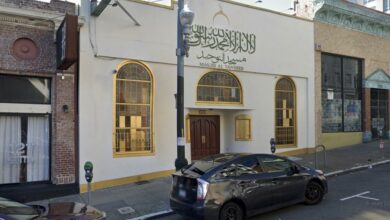
The researchers also argue that official counts may underestimate the number of US congregations because many small or informal churches are not included in traditional databases. They cite the growth of immigrant congregations meeting in rented spaces, shops and buildings shared with other churches.
Meanwhile, several established Protestant denominations, including the Episcopal Church and United Methodist Church, have experienced long-term membership declines and internal divisions.
According to Johnson and Kidd, these developments point to a redistribution of religious affiliation rather than a uniform disappearance of Christianity. Religious trends also vary by age, region and socioeconomic background, with some evidence of renewed interest in Christianity among younger Americans.