
As the Selection of Guterres’ Successor Approaches, the United Nations Faces a Critical Test Amid Political and Financial Crises
As the Selection of Guterres’ Successor Approaches, the United Nations Faces a Critical Test Amid Political and Financial Crises
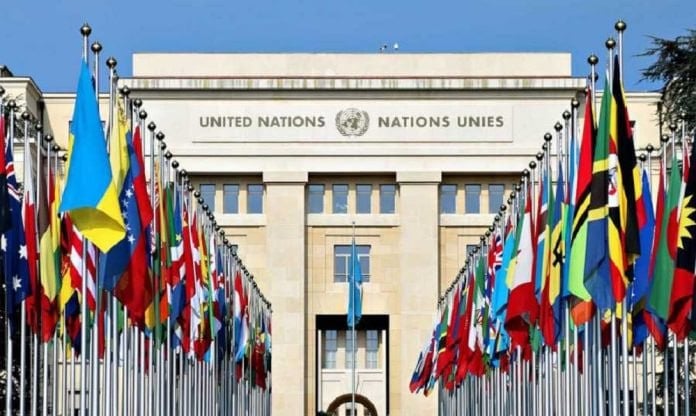
The United Nations is poised to enter a pivotal phase with the nearing conclusion of Secretary-General António Guterres’ term in December, at a time when the international organization is experiencing a decline in its political influence, an escalating financial crisis, and acute divisions among major powers, alongside widening wars and global crises.
According to an analytical article published in the American magazine “Time” by researchers Richard Gowan and Daniel Forti from the International Crisis Group, the next Secretary-General will inherit an organization facing a crisis of confidence and limited financial resources, amid an international system witnessing escalating competition among major powers and a decline in multilateral cooperation.
The article pointed out that the Security Council represents one of the most significant challenges facing the organization’s work, given that the United States, China, Russia, the United Kingdom, and France possess veto power. The disagreements among these nations have resulted in the obstruction of UN initiatives in various crises, including the wars in Ukraine and Gaza and the situations in Myanmar.
In addition to the political crisis, the United Nations is grappling with increasing financial pressures as American funding declines and several European governments reduce their spending on development and humanitarian aid. This situation has led UN agencies to cut back on some of their programs and assistance in countries experiencing severe humanitarian crises, such as Afghanistan and South Sudan.
Despite these challenges, the authors believe that the need for the United Nations has not diminished amidst cross-border crises involving wars, pandemics, climate change, economic instability, and the rapid development of artificial intelligence. They assert that the organization remains one of the few platforms where competing nations can meet and seek common ground.
This comes at a time when the competition for the post of the next Secretary-General has commenced, with several candidates emerging and the possibility of other names entering the race. The Security Council plays a crucial role in selecting the candidate before referring its recommendation to the General Assembly for approval.
The article suggests that the new Secretary-General will face a challenging task in maintaining practical relationships with major powers while attempting to restore the organization’s role in mediation and conflict prevention, given the limited powers of the Secretary-General and the reliance of many UN resolutions on the consensus of member states.
The authors urge the next Secretary-General to prioritize diplomacy and political mediation, delegating greater aspects of daily administration to other officials, thereby allowing them to navigate between capitals and crisis areas to seek opportunities to reduce tensions and open channels for dialogue.
The article concludes that saving the role of the United Nations may require redefining its mission as a platform to mitigate global risks and enhance dialogue between states, rather than being perceived as an authority capable of imposing solutions. It emphasizes that the ability of the next Secretary-General to ease divisions and restore the organization’s presence in peace efforts will be among the most significant tests determining its future in the international system.