
Nigerian Muslim Communities Face Poverty, Inequality and Insecurity
Nigerian Muslim Communities Face Poverty, Inequality and Insecurity
————————
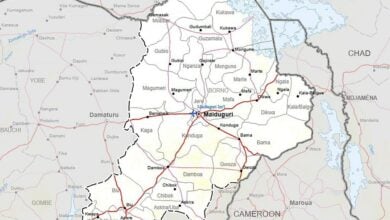
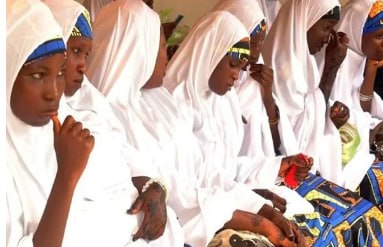
Muslim communities in Nigeria, particularly in the north, continue to face deep economic and social challenges, including poverty, unemployment, weak representation and worsening insecurity.
Nigeria has one of Africa’s largest Muslim populations, with Muslims making up about half or more of the country’s estimated 240 million people. Most live in the northern states, where Islam has been present for centuries.
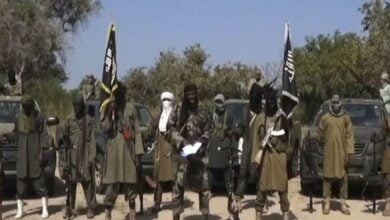
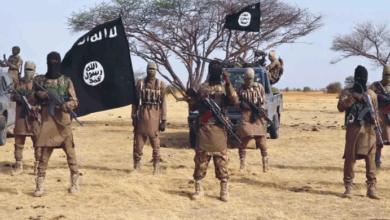
Religious and community leaders say many Muslims in northern Nigeria remain marginalized in formal education, public institutions and parts of the private sector. They argue that poverty, lack of jobs and limited opportunities have helped create conditions exploited by armed groups such as Boko Haram.
Muhammad Garba, a lawmaker from Kano state, said violence by such groups does not target only one religious community, stressing that both Muslims and Christians have suffered from insecurity.
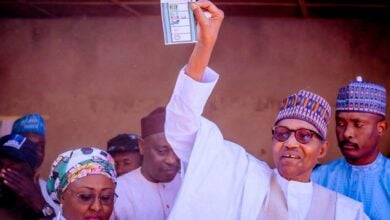
Sheikh Ibrahim Makari, imam of Abuja’s National Mosque, said Muslims still have limited influence in key public and private institutions. Former Kano emir Muhammad Sanusi II also warned that poverty and underdevelopment in the north have left many Muslims struggling for rights and opportunities.
Nigeria has faced a sharp rise in food insecurity, inflation and militant attacks, with northern communities among the hardest hit. Analysts and religious leaders say addressing extremism requires more than security operations, calling for investment in education, jobs, social protection and stronger coexistence among citizens.