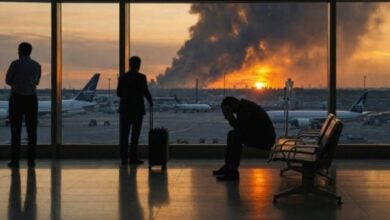

World Bank Documents Show 27 Countries Seeking Emergency Financial Mechanisms Amid Middle East Military Tensions

World Bank Documents Show 27 Countries Seeking Emergency Financial Mechanisms Amid Middle East Military Tensions
—————————————
New documents from international institutions indicate that, amid escalating war and regional tensions, 27 countries are creating or strengthening emergency financial instruments to gain faster access to World Bank resources during crises. The development has increased concerns over the stability of the global economy.
As geopolitical uncertainty grows, governments are seeking special financial mechanisms to manage potential crises. These tools are designed to accelerate access to international resources and allow countries to receive financial support without lengthy administrative procedures.
According to Reuters, since the start of military tensions in the Middle East, 27 countries have taken steps to establish rapid-access instruments for World Bank crisis funding. The document does not name the countries or specify the total amounts involved.
Since February 28, when a new round of conflict began, at least three countries have approved such instruments, while others are in the final stages of completing them. This comes as pressure on the international financial system continues to rise.
The report also points to the wider economic consequences of war and disruption in global energy markets, including damage to international supply chains. Reduced shipments of essential goods, including chemical fertilizers to developing countries, have also been cited as a consequence of the crisis, raising concerns over food security in some regions.
According to analysis in the World Bank document, these disruptions are no longer limited to the energy sector and have spread to agriculture and global trade.
Economic experts say the growing interest in emergency financial tools reflects fears that instability in the global economy may continue. They warn that, if the trend persists, low-income countries could face heavier economic pressure and the development gap between different regions of the world may widen.
Some international analysts have also warned that the expansion of emergency financial mechanisms could lead to a form of “normalization of crisis economics,” in which countries rely more on short-term, reactive management rather than long-term planning. They say this could weaken the ability of global financial institutions to pursue sustainable policymaking.