
Government Survey: Muslims Report Highest Levels of Loneliness Among Religious Groups in England
Government Survey: Muslims Report Highest Levels of Loneliness Among Religious Groups in England
———————————-
A major government survey in England has revealed a notable contrast in the social experiences of Muslims, showing that while around two-thirds of Muslims report a strong sense of belonging to their local communities, they also record the highest levels of loneliness compared with other religious groups.
The Community Life Survey, which gathered responses from around 175,000 people, examined a range of social and civic participation indicators, including volunteering, relationships with neighbors, local community attachment, and involvement in community activities.
According to the findings, around 8% of Muslim adults reported that they often or always feel lonely, marking the third consecutive year in which Muslims have been identified in the annual survey as the religious group most likely to report experiences of loneliness in England.
At the same time, the survey highlighted strong levels of community connection among Muslims. Nearly two-thirds said they feel a strong sense of belonging to their neighborhoods, a figure higher than the national average. This sense of attachment was particularly evident among people of Pakistani and Bangladeshi backgrounds.
Researchers noted that the results challenge common stereotypes portraying British Muslims as less integrated into society, emphasizing that civic participation and engagement with local communities are important values for many Muslims across England.
However, specialists pointed out that higher levels of loneliness may be linked to several factors, including social isolation among certain groups, particularly some converts to Islam and some women, as well as experiences of marginalization or exclusion due to religious identity.
The findings come amid growing attention in Britain to loneliness as a major social and public health issue. The UK government allocated £4.5 million during 2025 and 2026 to address isolation and loneliness across England.
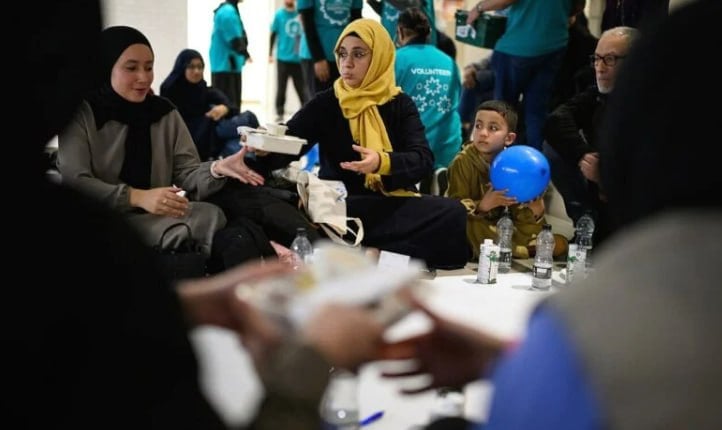
Meanwhile, community organizations in several British cities have launched initiatives aimed at reducing loneliness among Muslims through sports activities, social gatherings, trips, and community events designed to respect participants’ religious and cultural needs.
Experts also warned that increasing levels of anti-Muslim rhetoric could contribute to feelings of exclusion and isolation among some members of the Muslim community. They stressed the importance of distinguishing between a lack of social integration and loneliness caused by marginalization or a sense of not being accepted.