
Middle East Conflict and Migrant Workers’ Economic Struggles: Trapped Between War and Poverty in Their Home Countries
Middle East Conflict and Migrant Workers’ Economic Struggles: Trapped Between War and Poverty in Their Home Countries
—————————————–
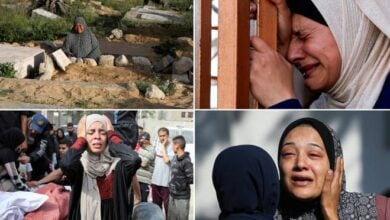
The ongoing conflicts in the Middle East have placed hundreds of thousands of migrant workers in increasingly difficult situations, caught between the dangers of remaining in war zones and the economic crises in their home countries.
The escalation of tensions and military confrontations in the region has extended beyond the battlefield, severely impacting the lives of migrant workers who are a crucial part of the region’s economy. These workers now face the dual threats of personal safety and economic instability, with both their lives and livelihoods at risk.
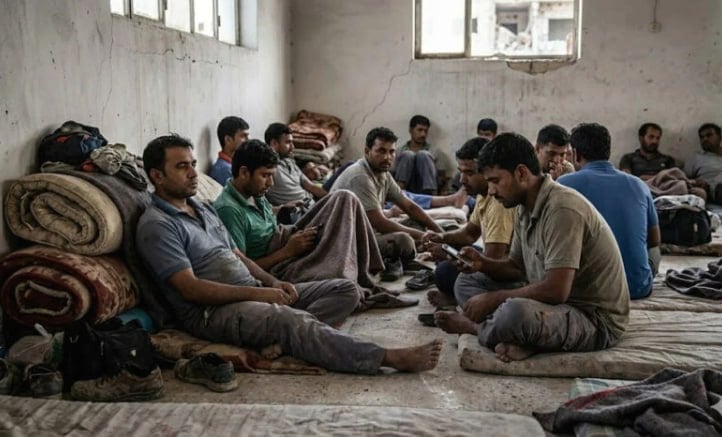
According to Associated Press, many migrant workers in the Middle East are employed under systems that tie their work permits to specific employers, a practice that has been widely criticized by human rights organizations. This dependency has made them even more vulnerable during times of war.
The report also states that, due to missile and drone attacks, at least 24 migrant workers in the Gulf countries, along with several others in occupied territories, have lost their lives. Moreover, amid the instability caused by the war, some employers are refusing to pay wages, grant leave, or uphold basic workers’ rights.
Despite the security risks, many workers continue their jobs because returning to their home countries, such as Bangladesh, Pakistan, or the Philippines, would mean facing poverty and unemployment. Remittances from these workers play a vital role in their home countries’ economies, and a decline in these funds could further exacerbate the economic crisis.