
Muslims in Australia by 2050: Population Growth and Increasing Presence in State and Society Institutions
Muslims in Australia by 2050: Population Growth and Increasing Presence in State and Society Institutions
The Muslim community in Australia is heading towards a new phase over the coming decades, characterized not only by population growth but also by enhanced participation in public life and the expansion of social and service institutions. It is projected that the number of Muslims will rise to approximately 1.5 million by the year 2050.
According to estimates discussed by Australian researcher Muin al-Haq, the number of Muslims in Australia could increase from around 813,000 in 2021 to about 1.5 million by mid-century. This growth coincides with the emergence of new generations that view Australia as their natural homeland while maintaining their Islamic identity.
The researcher believes that the third and fourth generations of Muslims will be more integrated into various aspects of Australian life, including education, employment, government institutions, and civil society. Meanwhile, the Muslim community will continue to evolve to become more diverse in terms of cultural backgrounds, levels of religiosity, and forms of religious and social participation.
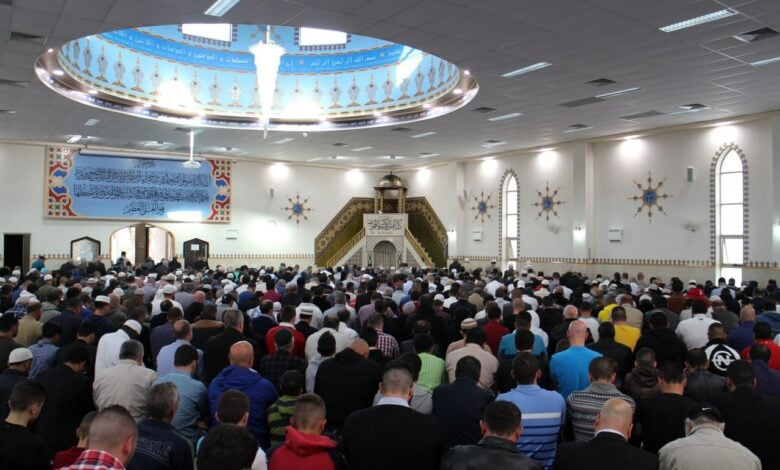
It is anticipated that this transformation will impact the nature of Islamic institutions themselves. Mosques and Islamic centers might expand their roles beyond holding prayers and providing religious education, to offering social services, family counseling, elder and disability care programs, and support for disadvantaged groups.
The coming decades are also expected to see a broader presence of Muslim women in different areas of public life, including the judiciary, administration, charitable work, social institutions, and community leadership, supported by higher levels of education and professional engagement among new generations.
Institutionally, the report suggests that Muslims’ priorities may gradually shift from focusing on building mosques, schools, and religious centers to establishing more sustainable resources and institutions, including endowments, educational grants, housing projects, elder care programs, and social services.
This trend, according to the researcher, reflects the Muslim community’s transition from establishing its presence and building its foundational institutions to broader engagement in addressing social issues and contributing to the development of Australian society.
The report argues that preserving Islamic identity and participating in Australian society do not necessarily represent conflicting paths. It is expected that new Muslim generations will strive to combine their religious affiliation with citizenship and involvement in public life.
The researcher concludes that by 2050, Muslims in Australia may become a more prominent partner in shaping the country’s future through active participation in institutions, society, economy, and public affairs, alongside developing their own institutions and preserving their religious and cultural identity.