

Afghanistan: Reports Raise Concerns Over Exclusion of Shiites, Hazaras from Public Institutions
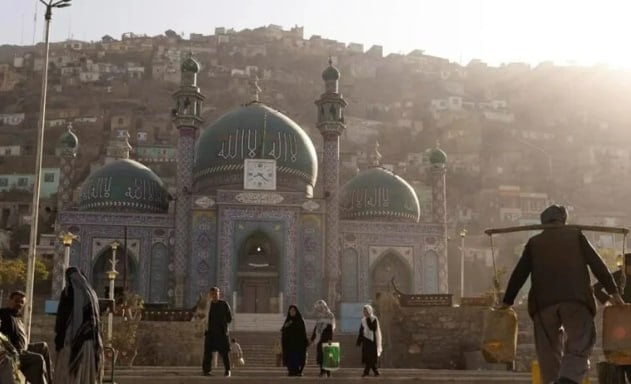
Afghanistan: Reports Raise Concerns Over Exclusion of Shiites, Hazaras from Public Institutions
————————————–
Human rights reports have documented dismissals of Shia academics and Hazara employees, restrictions on Shia institutions, and concerns over religious freedom and representation under Taliban rule.
A report by the European Union Agency for Asylum and Migration highlighted cases of mass dismissals of Hazara employees and their underrepresentation in senior administrative and security positions. Separately, a study of approximately 1,185 Taliban leaders found that Shiites accounted for no more than 0.6% of the sample; this figure does not represent the overall composition of Afghanistan’s public-sector workforce.
The United Nations Assistance Mission in Afghanistan (UNAMA) also documented the closure or revocation of licenses of at least ten Shia institutions in September and the arrest of 40 people associated with them, including employees of Khatam al-Nabiyin University.
Further concerns include restrictions on religious practices, reduced practical recognition of Ja’fari jurisprudence in judicial and educational settings, reported pressure on members of the Ismaili community to convert, and allegations of forced evictions and unequal access to humanitarian aid.