
UNICEF Warns 1.5 Billion Children Could Face More Severe Heatwaves Due to Climate Change
UNICEF Warns 1.5 Billion Children Could Face More Severe Heatwaves Due to Climate Change
——————————-
The United Nations Children’s Fund (UNICEF) has warned that around 1.5 billion children worldwide could be exposed to increasingly severe heatwaves in the coming years as the impacts of climate change intensify, highlighting growing risks to children’s physical and mental health.
In its latest report, UNICEF said nearly two-thirds of the world’s children are already vulnerable to worsening heat conditions, while around 1.2 billion children are facing extreme temperatures that increase the risks of climate-related health problems and humanitarian challenges.
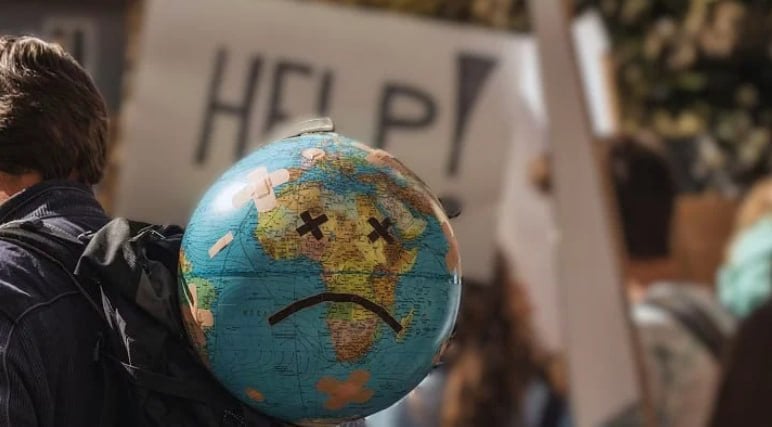
The report also highlighted the rise of “climate anxiety” among young people, describing growing concerns about the future impact of climate change on their lives, including decisions related to education, employment and starting families.
UNICEF cited research published in The Lancet Planetary Health in 2021, which surveyed 10,000 young people aged 16 to 25 across 10 countries. The study found that 59 percent of respondents felt highly worried about climate change, while more than 45 percent said these concerns had negatively affected their daily lives. Around 39 percent said climate fears had influenced their decisions about having children.
The agency noted that children who have experienced climate-related disasters, including floods, wildfires and droughts, are particularly vulnerable to anxiety over the possibility of such events recurring.
According to UNICEF, levels of climate-related concern vary between countries, with the highest reported fears recorded among young people in the Philippines, while Finland registered the lowest levels among the countries surveyed. However, the organization noted that climate concerns remain widespread even in countries with lower reported anxiety levels.
UNICEF called for greater global action to address climate change and protect children from its growing effects, emphasizing the need for measures that safeguard both the physical and psychological well-being of younger generations.