
Hussaini Elegies in Indian and Pakistani Literature: From Lucknow to the World
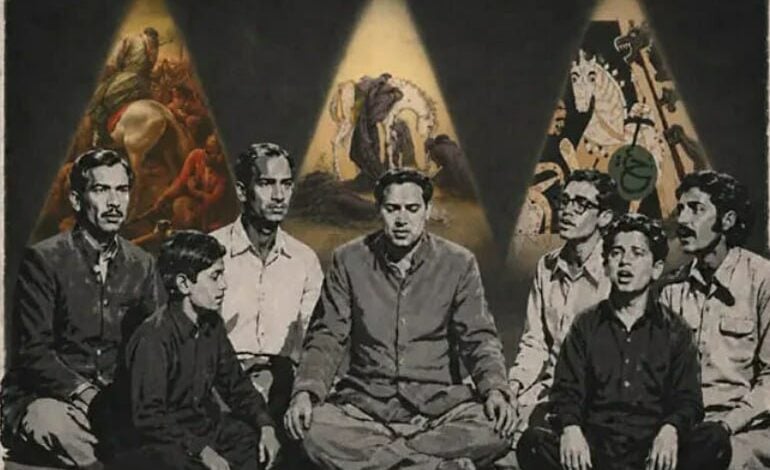
Hussaini Elegies in Indian and Pakistani Literature: From Lucknow to the World
———————————————
Hussaini elegies are among the most important religious and literary traditions in the Indian subcontinent. Rooted in Arabic and Persian literature, this Urdu art form developed strongly in Lucknow before spreading to Karachi after the creation of Pakistan in 1947.
From the 1950s onward, Karachi became a major center for Hussaini lamentation, with organized groups preserving and developing its recitation styles. Key figures such as Professor Sadiq Hussain, known as Shajan Sahib, Izzat al-Lakhnawi, Sayyid Afaq Hussain Rizvi, Sajji Bhai, Jafar Hussain, Sabira Kazemi, and others played major roles in shaping this tradition.
The elegies continued to evolve in melody, performance, and expression while preserving their core purpose: commemorating the tragedy of Imam Hussein, peace be upon him, his family, and his companions in Karbala.
In recent decades, reciters such as Nazir Raza Sarwar helped bring Hussaini elegies to international audiences by incorporating Urdu, Arabic, and Persian into widely circulated recordings.
Today, Hussaini elegies remain central to Muharram commemorations in India and Pakistan. Through digital platforms and modern media, this once-regional literary and religious heritage has become a globally recognized expression of devotion, justice, sacrifice, and resistance to oppression.