

UN Warns 700 Health Facilities in Afghanistan Face Risk of Closure
UN Warns 700 Health Facilities in Afghanistan Face Risk of Closure
———————————————-
More than 700 health facilities in Afghanistan are expected to close or have been affected by funding shortages between 2025 and 2026, as international humanitarian assistance to the country continues to decline, a senior United Nations official has warned.
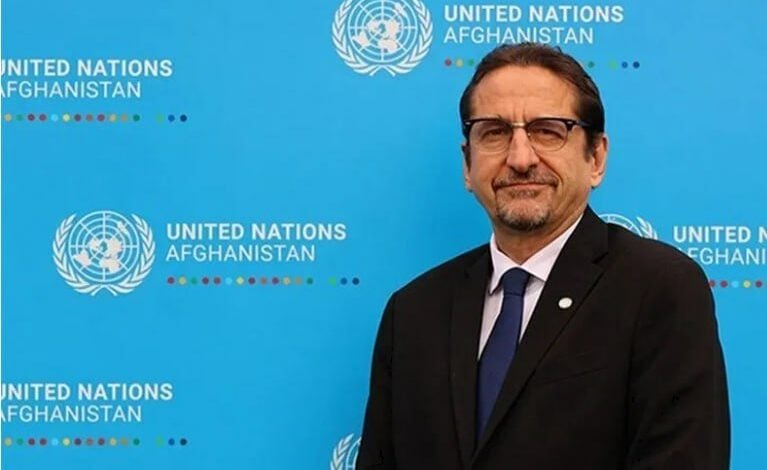
Bruno Lemarquis, the UN Deputy Special Representative for Afghanistan and Resident and Humanitarian Coordinator, said on Friday, November 6, that humanitarian funding had fallen from $2 billion in 2023 to $1 billion in 2025 and just $570 million so far in 2026. He said the reductions had severely affected access to essential services, including healthcare, particularly for vulnerable communities.
According to Lemarquis, around 700 of Afghanistan’s 1,900 primary healthcare facilities are expected to close during the 2025-2026 period, representing approximately 40 percent of the country’s primary healthcare network. The closures threaten access to basic medical services in a country where millions of people already depend on humanitarian assistance.
The warning comes as Afghanistan faces growing pressure from mass returns of citizens from neighbouring countries. Lemarquis said approximately 6.7 million Afghans had returned since 2020, many from Pakistan and Iran, placing additional pressure on housing, employment opportunities and already limited public services. He said returnees urgently needed legal documentation, protection, shelter and employment.
The UN official also criticised restrictions imposed by the Taliban on women and girls, saying they continued to face severe limitations on education, employment and participation in public life. More than 2.6 million girls have been excluded from secondary education since 2021, while female university enrolment remains at zero, according to the UN.
Lemarquis further said the ban preventing Afghan women employees from entering United Nations premises, imposed in September 2025, remained in force and had affected the organisation’s operations. He warned that restrictions on women’s rights were deepening Afghanistan’s international isolation and worsening the humanitarian situation.
The United Nations also expects humanitarian needs to increase sharply in 2027, driven by mass returns, regional instability and climate-related threats, including a potentially severe El Niño weather pattern. These factors could further threaten food security and access to essential services.