
UNICEF Warns of Rising Attacks on Water Networks in Conflict Zones, Says Women and Children Are Worst Affected
UNICEF Warns of Rising Attacks on Water Networks in Conflict Zones, Says Women and Children Are Worst Affected
———————————–
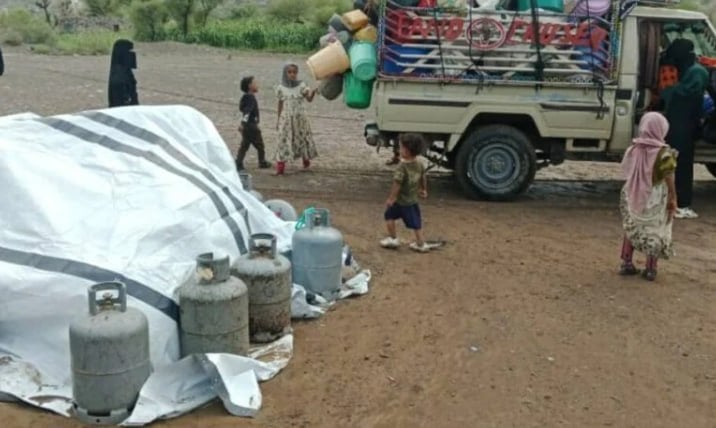
The United Nations Children’s Fund (UNICEF) has warned of a sharp increase in attacks on water and sanitation infrastructure in conflict zones, stressing that women and children bear the greatest burden when access to clean water is disrupted. The resulting shortages increase the risks of disease, malnutrition and other serious health and humanitarian emergencies.
In a report titled Water Under Fire, released on Thursday, November 5, 2026, UNICEF said attacks that destroyed or damaged water and sanitation systems tripled between 2021 and 2025. The report documented attacks on water facilities and personnel in 23 countries and territories between January 2021 and June 2026.
The report highlighted the scale of the damage in conflict-affected areas. In Khartoum, 12 of the city’s 13 water treatment plants are no longer operating at full capacity. In the Gaza Strip, more than 130,000 metres of sewage pipelines have been destroyed since the outbreak of the war.
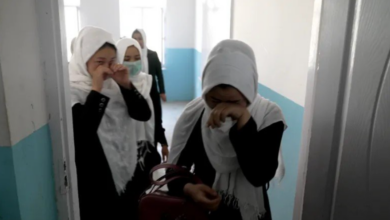
The report also warned that women and girls face increased risks of violence when travelling to collect water, while water shortages can prevent them from attending school. The crisis is further aggravated by a severe funding shortfall: the water, sanitation and hygiene sector has received only 26 per cent of the funding required for 2026, despite 137.9 million people needing assistance.