
Concerns Grow Over Taliban Measures Targeting Shia-Hazara Institutions, Media in Afghanistan
Concerns Grow Over Taliban Measures Targeting Shia-Hazara Institutions, Media in Afghanistan
————————————
A wave of criticism has emerged in Afghanistan following recent actions attributed to the Taliban against Shia and Hazara institutions, individuals, and media organizations, with political groups and rights advocates warning of growing discrimination and restrictions on basic freedoms.
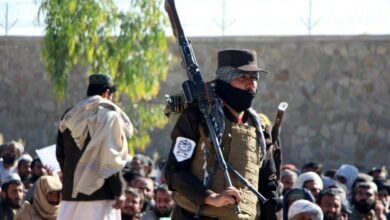
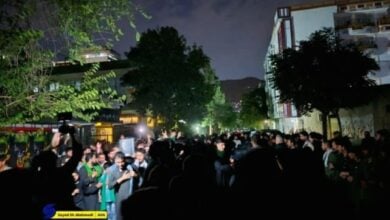
Reports said Taliban forces recently raided and surrounded the Khatam al-Nabieen Scientific and Cultural Center in Kabul, detaining several teachers and students. A separate raid on a Shia-Hazara clerics’ office in the capital also reportedly resulted in arrests.
In Herat province, local reports said more than 100 shops in the predominantly Hazara Jebrael area were closed amid a land ownership dispute. Community sources criticized the move, saying the dispute had not been resolved through a final judicial ruling and should be handled through legal procedures.
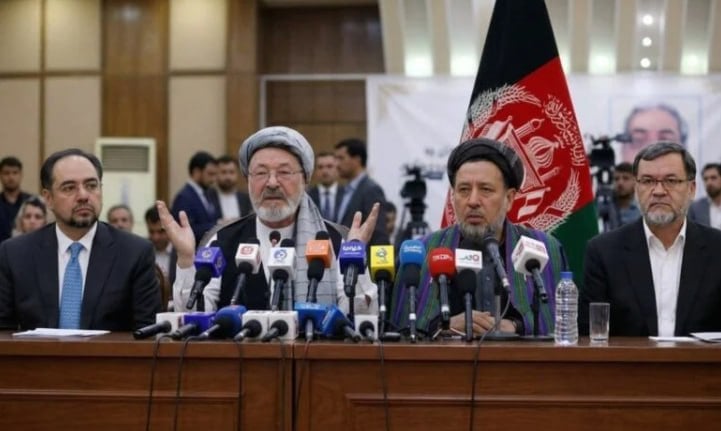
Several Afghan political parties condemned the developments. The Islamic Unity Party of Afghanistan and other opposition groups accused the Taliban of pursuing policies that restrict the rights of Shia and Hazara communities, including access to religious education, property rights, economic activity, and equal treatment under the law.
Meanwhile, the Afghan Journalists Center reported that Taliban authorities again shut down the office of the Rah-e-Farda radio and television network in Kabul and arrested its owner. The group described the move as a violation of media freedom and a threat to the independence and security of Afghan journalists.
The closure follows previous Taliban restrictions on Rah-e-Farda, which had its broadcasts suspended before being allowed to resume operations under new conditions. Taliban authorities have not publicly explained the reasons for the latest closure and arrest.
The developments come amid continued international concerns over restrictions on civil liberties, religious freedoms, and independent media in Afghanistan since the Taliban returned to power. Critics warn that continued pressure based on ethnic, religious, or political identity could further weaken social cohesion and stability in the country.