
Calls for Better Organization of Hussaini Processions and Review of Ashura and Arbaeen Routes After Pilgrimage Season
Calls for Better Organization of Hussaini Processions and Review of Ashura and Arbaeen Routes After Pilgrimage Season
———————————–
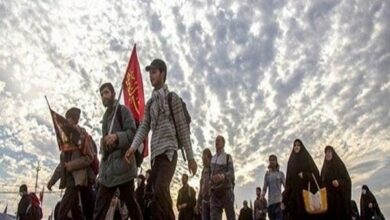
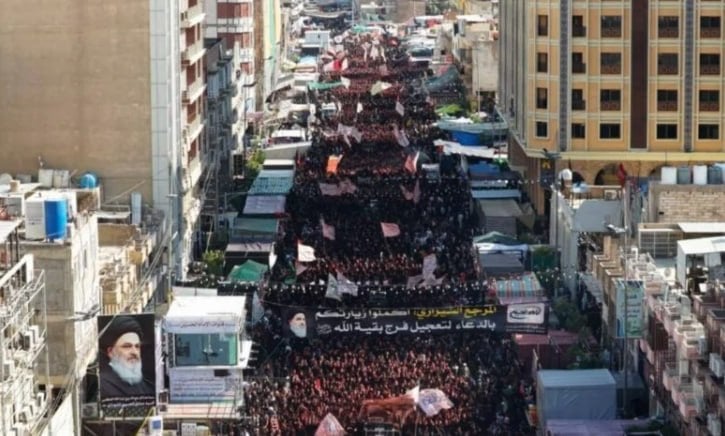
Activists, bloggers and observers of Hussaini affairs have called for a comprehensive review of the organization of Hussaini processions and mourning routes as part of preparations for future large-scale religious gatherings, stressing that the success of the Arbaeen pilgrimage depends not only on services and infrastructure but also on effective crowd management and orderly movement of processions.
They said that annual evaluations conducted after the end of the pilgrimage season should address all aspects related to the management of crowds and religious ceremonies, including recurring challenges associated with some mourning processions and their routes, in order to prevent them from developing into future disputes or tensions.
The activists noted that some procession routes in specific areas of the holy city of Karbala have become the subject of repeated discussions and sensitivities among certain parties each year. They called for early coordination between relevant authorities, including the holy shrines and Hussaini Processions Authority, to ensure smooth movement and preserve the spiritual atmosphere of the pilgrimage.
They emphasized that these proposals are not intended to restrict Hussaini rituals or limit participation, but rather to improve organization by reviewing procession routes, starting points and stopping areas in line with the realities of crowd density during major pilgrimage events.
The activists also called for a clear regulatory framework requiring all processions to be registered with the relevant authorities, with designated routes, schedules and coordination mechanisms, while stressing the importance of compliance with security and service-related guidelines.
They further proposed forming specialized field teams to monitor procession movement and coordinate with security forces, holy shrines and service departments, ensuring rapid response to any unauthorized changes or organizational issues.