
Al-Azhar Scholar Says Touching Shrines of Ahl al-Bayt Is Permissible and Reflects Love, Not Worship
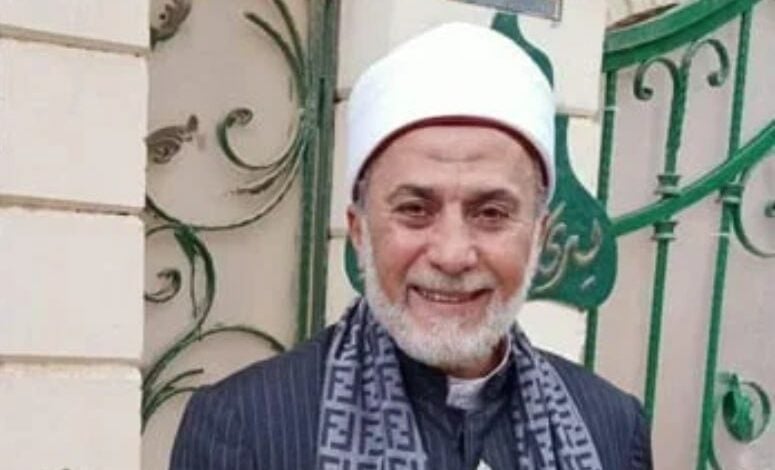
Al-Azhar Scholar Says Touching Shrines of Ahl al-Bayt Is Permissible and Reflects Love, Not Worship
——————————–
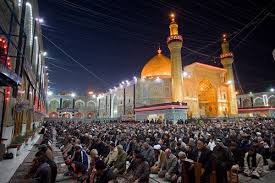
Dr. Yousri Jabr, a scholar affiliated with Al-Azhar, has stated that touching and seeking blessings from the shrines of Ahl al-Bayt (peace be upon them) is religiously permissible and does not contradict Islamic beliefs, explaining that the practice represents an expression of love and respect rather than worship.
Jabr said that seeking blessings from the shrines of members of the Prophet’s family is comparable to reverence for the Black Stone in the Holy Mosque of Mecca, which Muslims touch and kiss following the practice of the Prophet Muhammad (peace be upon him and his family). He emphasized that honoring the Black Stone does not mean worshipping it, but rather expressing respect for a religious symbol.
The scholar explained that those who touch the graves and shrines of Ahl al-Bayt understand that they are the resting places of righteous servants of God who have departed this worldly life, adding that such actions should be viewed as expressions of affection and appreciation rather than acts of worship.
He called for avoiding negative assumptions about those who practice such forms of devotion, saying that expressing love is a natural human inclination. He referred to reports about the Prophet’s affection for his daughter Lady Fatimah al-Zahra (peace be upon her), including his gesture of showing respect and love toward her.
Jabr further noted that love for Ahl al-Bayt, righteous figures and the Prophet’s companions represents an important aspect of religious devotion, while methods of expressing that love may differ among people.
In previous statements, the Al-Azhar scholar also said that visiting the graves of Ahl al-Bayt and companions of the Prophet, and supplicating near them, is permissible in Islam. He cited reports of the Prophet Muhammad (peace be upon him and his family) visiting the cemetery of Al-Baqi and the martyrs of Uhud and offering greetings to the deceased, noting that the graves of righteous people are regarded by many scholars as places where prayers may be especially hoped to be accepted.