
Quebec’s “Spatial Neutrality” Bill Faces Broad Criticism over Religious Freedom Concerns in Universities
Quebec’s “Spatial Neutrality” Bill Faces Broad Criticism over Religious Freedom Concerns in Universities
——————————-
A proposed law known as the “Spatial Neutrality” project, introduced by the provincial Minister of Civil Affairs of Quebec, Canada, to eliminate what he described as “religious privileges” in public universities, has sparked widespread criticism from academic and civil society circles over its potential impact on religious freedoms.
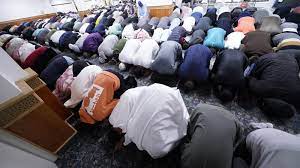
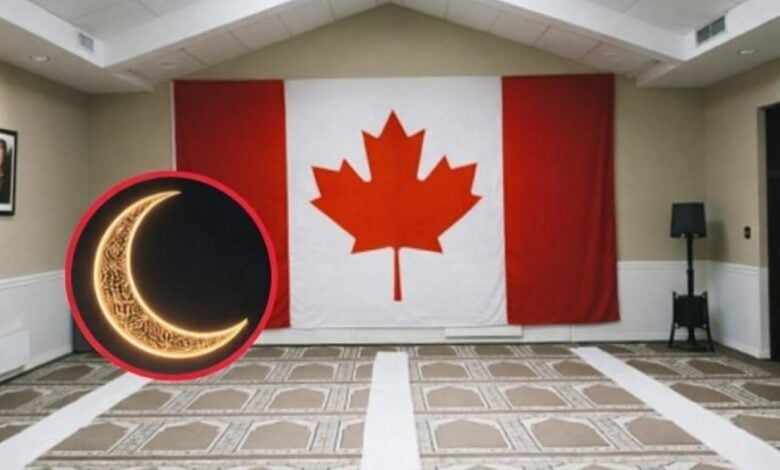
Academics and civil organizations argued that closing university prayer rooms does not reflect neutrality, as suggested, but rather restricts students’ right to practice their faith in an educational environment that should be inclusive and balanced. They emphasized that neutrality should guarantee freedom of belief for all, rather than exclude religion from public spaces.
Human rights advocates also criticized the minister’s call to confine religious practices to private areas, stating that such restrictions conflict with international principles protecting freedom of religion and belief, including the right to practice faith peacefully in public spaces.
Observers warned that passing the bill could create tensions on campus and exacerbate feelings of marginalization among a significant portion of students, rather than promoting pluralism and coexistence.
Opposition groups called for a reconsideration of the proposal and urged the initiation of a comprehensive public dialogue to balance the academic character of universities with the protection of students’ fundamental rights, including the freedom to engage in religious practices.