
Study Finds Links Between Cylinder Seals, Early Cuneiform Writing in Mesopotamia
Study Finds Links Between Cylinder Seals, Early Cuneiform Writing in Mesopotamia
—————————————
A recent study has found evidence linking the world’s earliest known writing system, Cuneiform, to symbolic markings used in ancient trade. Researchers say the symbols engraved on small stone cylinder seals used in commercial transactions may have influenced the development of early writing in ancient Mesopotamia.
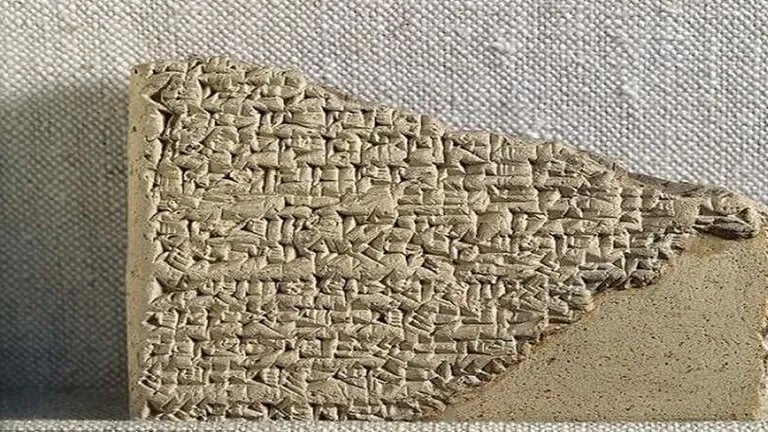
The findings support a longstanding hypothesis that cuneiform writing, which emerged around 3100 BCE in Mesopotamia, partly developed from accounting practices used to track the production, storage, and movement of goods. Many of the symbols carved onto cylinder seals appear to have evolved into signs used in what scholars call proto-cuneiform, an early form of the script used in southern Mesopotamia—modern-day southern Iraq.
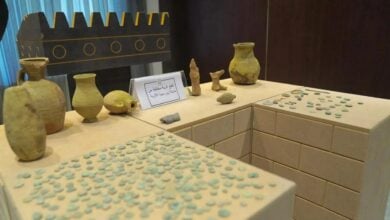
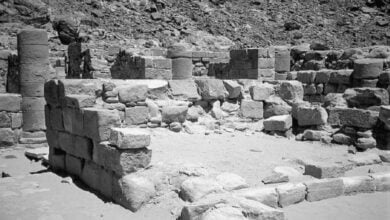
The study focused on the ancient city of Uruk, a major center of trade and culture around 6,000 years ago. Archaeological evidence shows that cylinder seals were first developed in this region. These small carved stone cylinders were rolled across wet clay tablets to leave clear impressions, which were then dried to create records carrying the signature or identifying mark of the seal’s owner.
From around 4400 BCE, these seals were used as part of an administrative system to monitor agricultural production and the distribution of textiles and other goods. According to the study, several motifs found on the seals later appeared as symbols in proto-cuneiform writing, indicating that the script may have partially emerged from trade and accounting symbols.
Researchers from University of Bologna compared decorative patterns on the seals with early cuneiform signs and identified direct connections between them. For example, seal engravings depicting jars and cloth resemble later cuneiform symbols representing the same items.