
Taliban Approves New Law to Resell Seized Residential Properties, Regulate Land Titles in Afghanistan
Taliban Approves New Law to Resell Seized Residential Properties, Regulate Land Titles in Afghanistan
——————————
The Taliban government has officially approved a new law governing the resale of homes in previously seized residential areas and the formal allocation of state-owned land plots, known as “Emiri” plots. The legislation aims to organize property sales, construction permits, and land allocation in a more structured manner.
According to reports from 8 Sobh Daily and other Afghan media outlets, the Ministry of Justice stated that the law establishes a multi-part framework covering the sale of land plots, issuance of construction permits, and the administration of residential properties previously designated as state land.
Under the new framework, authorities can classify residential neighborhoods and housing settlements as state-owned, allowing for the resale of homes to former occupants or other approved residents. The law also outlines responsibilities for implementing agencies, including the Ministry of Urban Development and Housing, municipalities, and the Land Authority within the Ministry of Agriculture, Irrigation and Livestock.
The Taliban have presented the law as a means to formalize and regulate land and housing transactions, while analysts warn that it could also allow the regime to invalidate previous ownership claims and reallocate properties under state control.
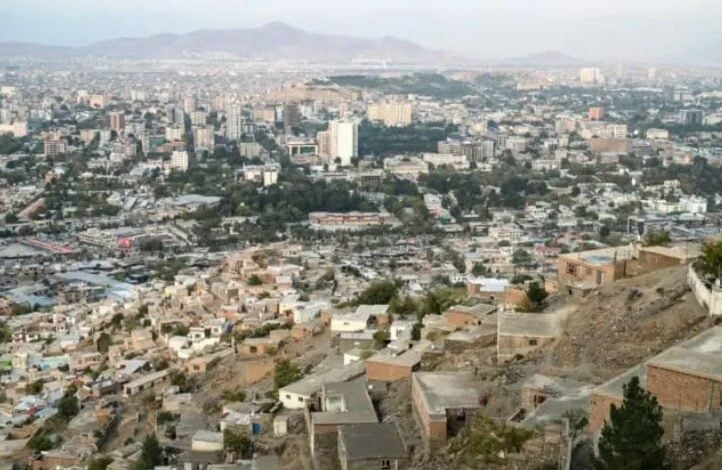
This legislation comes amid ongoing concerns over property rights, land disputes, and housing security in Afghanistan, particularly in urban centers where the Taliban have previously seized residential developments. Observers note that the law may affect thousands of households and reshape the management of urban and suburban property in the country.
The law is expected to be implemented gradually, with oversight from relevant ministries and local authorities, as part of the Taliban’s broader efforts to formalize administrative and legal frameworks in post-2021 Afghanistan.