
The escalation of Islamophobia in Texas raises concerns about its transition from political rhetoric to official actions
The escalation of Islamophobia in Texas raises concerns about its transition from political rhetoric to official actions
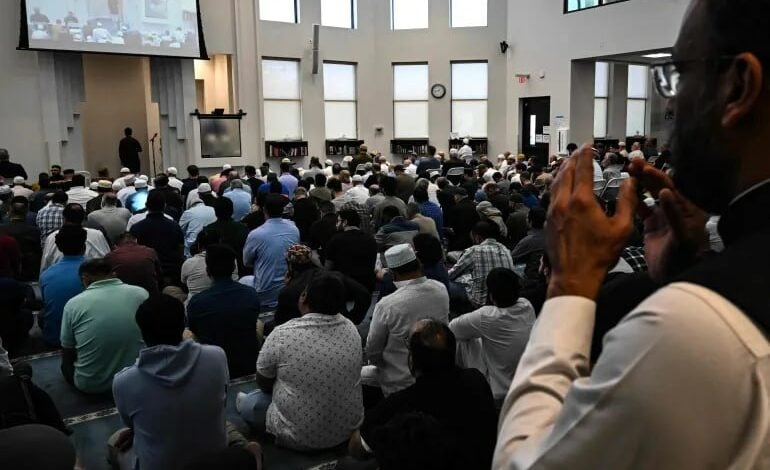
The U.S. state of Texas is witnessing a rise in anti-Muslim rhetoric and practices, amid fears that the phenomenon of Islamophobia might transition from the activities of right-wing groups and circles to initiatives and actions adopted by official political institutions and figures in the state. According to a report by the New York Times, this escalation has coincided with the growing religious and social presence of Muslims, particularly in the Dallas–Fort Worth area, which has seen an increase in the Muslim population and in the number of mosques and Islamic institutions in recent years. The number of Muslims in Texas is estimated to range between 300,000 and 500,000 people, while those arriving from predominantly Muslim countries in the Dallas–Fort Worth area rose to more than 159,000 in 2024, compared to about 79,000 a decade ago.
Recently, the state has recorded incidents targeting Muslims and Islamic institutions, including threats against an Islamic center in Houston and verbal abuses against Muslim shoppers, alongside tensions accompanying discussions about the expansion of certain mosques. The controversy intensified after the announcement of a real estate development project including a mosque east of Dallas at the beginning of 2025, facing widespread opposition from conservative circles, concurrent with state investigations related to Islamic institutions and groups initiated by Governor Greg Abbott and Attorney General Ken Paxton. Some disputes also focus on institutions providing religious counseling regarding marriage and divorce according to Islamic law, with proponents stating they offer religious guidance without functioning as courts or wielding legal authority, while conservative politicians call for imposing more restrictions.
Critics of these trends argue that portraying Islam as a political ideology rather than a religion could undermine constitutional protections of Islamic practices, especially the rights guaranteed by the First Amendment to the U.S. Constitution concerning religious freedom. Conversely, Republican politicians assert their actions aim to ensure the rule of law and promote social integration, not to restrict Muslims due to their religious beliefs. Muslims in Texas emphasize that they form an integral part of American society through their participation in sectors like work, education, healthcare, and civic and volunteer activities, rejecting the portrayal of their expanding religious and community presence as a threat to the state.
Muslim scholar Omar Suleiman has called for confronting discriminatory accusations and practices through legal and political means while adhering to constitutional protections of religious freedom. The debate coincides with efforts to draft legislative proposals related to defining religion and regulating certain Islamic practices and institutions, against warnings from religious freedom advocates that targeting religious counseling or Islamic institutions with special measures could raise issues relating to freedom of belief and equality before the law.