
Over Five Years of Taliban Rule: Over 50 Attacks Targeting Shiites and Hazaras in Afghanistan
Over Five Years of Taliban Rule: Over 50 Attacks Targeting Shiites and Hazaras in Afghanistan
United Nations and human rights reports have revealed that Shiite and Hazara communities in Afghanistan have faced over 50 major attacks since the Taliban’s return to power in August 2021, resulting in over a thousand casualties, both dead and injured, alongside calls for enhanced protection of these communities and independent investigations into the attacks.
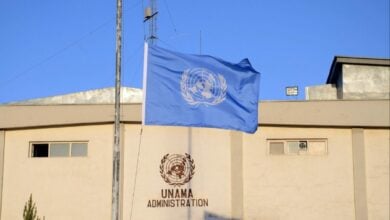
According to reports from the United Nations Assistance Mission in Afghanistan (UNAMA) and human rights organizations, the attacks primarily targeted mosques, educational centers, transportation, and civilian gatherings in areas with significant Shiite and Hazara populations.
The attacks were concentrated in the capital, Kabul, particularly in the Dasht-e-Barchi area, as well as in the provinces of Kunduz, Kandahar, Herat, Daikundi, Ghor, and Uruzgan. The period between 2021 and 2023 witnessed the highest frequency of bombings and suicide attacks.
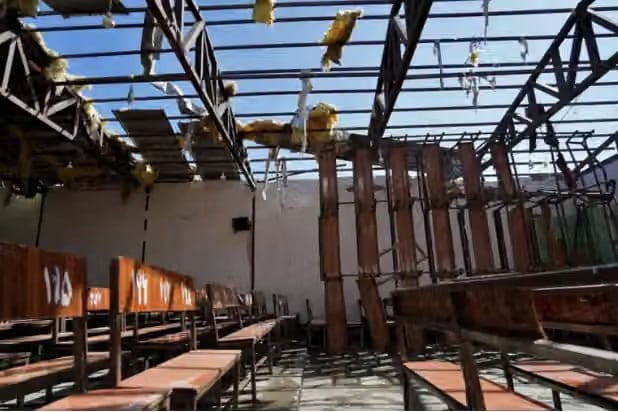
A significant portion of the victims was students and young people, particularly girls. Among the most notable attacks was the assault on the Kaj Educational Center in Dasht-e-Barchi in 2022, which claimed more than 53 lives and injured around 110 individuals, most of whom were female students.
Shiite mosques also witnessed a series of deadly attacks, including the bombing of the Sayed Abad Mosque in Kunduz in 2021, which killed over 50 people and injured about 140, and attacks on the Bibi Fatima Mosque in Kandahar, resulting in at least 63 deaths, as well as the bombing of the Seh Dokan Mosque in Mazar-i-Sharif and other attacks in Baghlan and Herat.
The ISIS-Khorasan group claimed responsibility for many of the bombings and suicide attacks targeting Shiites, while perpetrators of some assassination and road shooting incidents remained unidentified.
Recent years have also seen attacks on transportation and assassinations, including a series of assaults in Herat and Kabul, as well as the killing of 14 Daikundi residents in September 2024 while they were on their way to welcome pilgrims returning from Karbala.
Despite Taliban authorities announcing security operations and the arrest or killing of individuals they claimed were linked to ISIS, human rights organizations believe that the measures taken have not provided adequate and sustainable protection for the Shiite and Hazara communities.
UN and human rights entities have called for enhanced protective measures for mosques, educational institutions, and civilian gatherings, as well as transparent and independent investigations to hold those responsible for the attacks accountable, amidst ongoing concerns over the security of Shiites and Hazaras in Afghanistan.