

European Countries Adopt Different Restrictions on Hijab in Schools, Comparative Report Highlights
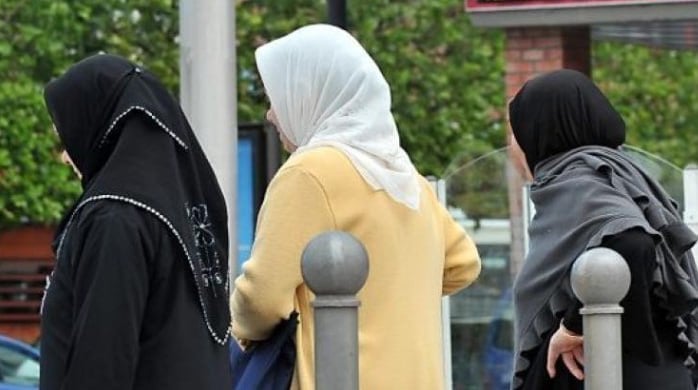
European Countries Adopt Different Restrictions on Hijab in Schools, Comparative Report Highlights
—————————————
European countries continue to apply differing regulations governing the wearing of Islamic headscarves in educational institutions, with no unified policy across the European Union, according to a comparative analysis published by Voxeurop on November 10, 2026.
The report examines national approaches to religious dress in schools, highlighting significant differences in legislation and its implementation across several European countries. One of the key examples is Austria, where a ban on girls under the age of 14 wearing the hijab in schools came into force in September 2026. The measure is among the main restrictions discussed in the analysis.
The situation in Italy and Belgium is also examined, with the report highlighting differences in how religious dress is regulated within their respective education systems. In Italy, students are generally permitted to wear the hijab, while restrictions introduced in 2026 target face-covering garments such as the niqab and burqa. In Belgium, regulations vary between the country’s linguistic communities and different school networks. Some public education systems prohibit visible religious symbols, while others apply different rules depending on their institutional policies.
The analysis emphasizes that European countries have adopted different approaches to religious symbols in educational settings, reflecting their respective interpretations of religious freedom, secularism and state neutrality. Consequently, Muslim female students face different regulations depending on the country and, in some cases, the particular school they attend.
The report also stresses the importance of distinguishing between different forms of Islamic veiling. The hijab covers a woman’s hair and neck while leaving her face visible, whereas the niqab covers the face, leaving only the eyes exposed, and the burqa conceals both the face and the body. These garments therefore represent distinct forms of religious dress and should not be treated as interchangeable in discussions about restrictions.