
Deadly Rohingya sea crossings fueled by trafficking networks exploiting refugee crisis
Deadly Rohingya sea crossings fueled by trafficking networks exploiting refugee crisis
——————————————————–
A growing humanitarian crisis involving Rohingya refugees has been driven by organized human trafficking networks that profit from desperation, according to a report by Le Monde.
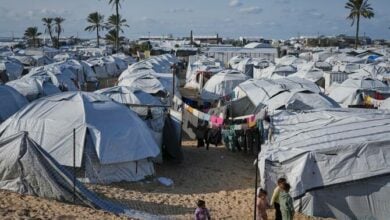
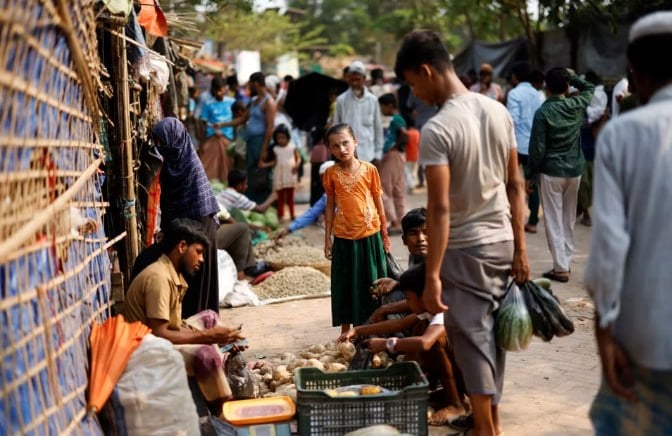
The report highlights how thousands of Rohingya refugees, confined to overcrowded camps in Bangladesh and facing severe restrictions on movement, work, and education, are turning to dangerous sea journeys in search of better lives. Many attempt to reach countries such as Malaysia, Indonesia, or Thailand, often relying on smugglers who promise safe passage but frequently subject them to abuse and exploitation.
In 2025, nearly 900 Rohingya were reported dead or missing during sea crossings, making it the deadliest year on record. These journeys are facilitated by a complex network involving recruiters inside refugee camps, regional smuggling groups, and intermediaries across Southeast Asia.
Refugees are typically transported in stages—first by land to coastal areas, then by small boats to larger vessels offshore—before being transferred again near destination countries to avoid detection. During transit, many are subjected to extortion, violence, and detention, particularly in countries such as Thailand and Indonesia, where traffickers demand additional payments from families.
The report also notes that worsening conditions in refugee camps, including cuts to international aid and rising insecurity, are pushing more people to risk these journeys.