
Muslims in southern US report surge in aggressive political rhetoric
Muslims in southern US report surge in aggressive political rhetoric
——————————————
Muslim communities across the southern United States are reporting a surge in hostile political rhetoric, with advocacy groups and residents warning that recent statements by some politicians are fueling fear and deepening divisions.
Muslim Americans in the southern United States are facing a renewed wave of anti-Muslim political rhetoric, with community leaders and residents expressing concern over its impact on social cohesion and personal safety.
The trend has been particularly visible in states such as Tennessee, Texas, Florida and the Carolinas, where some Republican politicians have made controversial statements about Islam and Muslim communities. Among them, Andy Ogles has drawn criticism for social media posts alleging attempts to “Islamify” parts of the country, while Chip Roy and Randy Fine have also faced backlash over remarks widely described as inflammatory.
The rhetoric has coincided with legislative efforts in some states targeting issues linked to Muslim identity, including proposals related to language requirements, religious accommodations, and references to Middle East geopolitics. Advocacy groups say such measures risk stigmatizing Muslim communities and limiting religious freedoms.
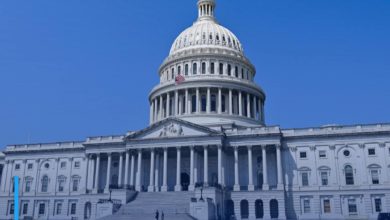
In response, more than 100 Muslim students and community members recently gathered at the Tennessee State Capitol, in an initiative organized by the American Muslim Advisory Council, to lobby lawmakers and voice opposition to several proposed bills.
Many Muslim residents in the region say the current climate echoes earlier periods of heightened suspicion, particularly after the September 11 attacks. Some also link the recent rise in rhetoric to broader geopolitical tensions, including conflict involving Iran.
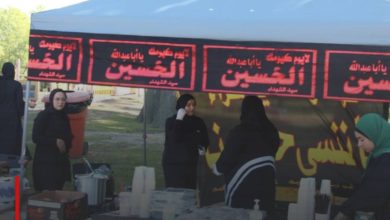
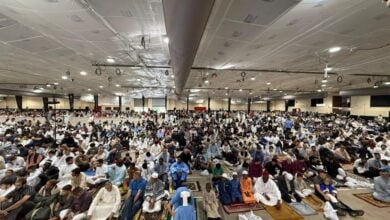
Despite these challenges, Muslim communities in the South have continued to expand over the past two decades, drawn by economic opportunities and family ties. Community leaders highlight growing civic engagement, including participation in local elections, interfaith initiatives, and public service.
However, some residents say the political environment has left them feeling increasingly uncertain. Analysts warn that the normalization of such rhetoric could have long-term implications for social cohesion, as debates over identity, religion and national values continue to shape the region’s political landscape.