
Canada’s Supreme Court Hears Challenge to Quebec Secularism Law
Canada’s Supreme Court Hears Challenge to Quebec Secularism Law
————————————-
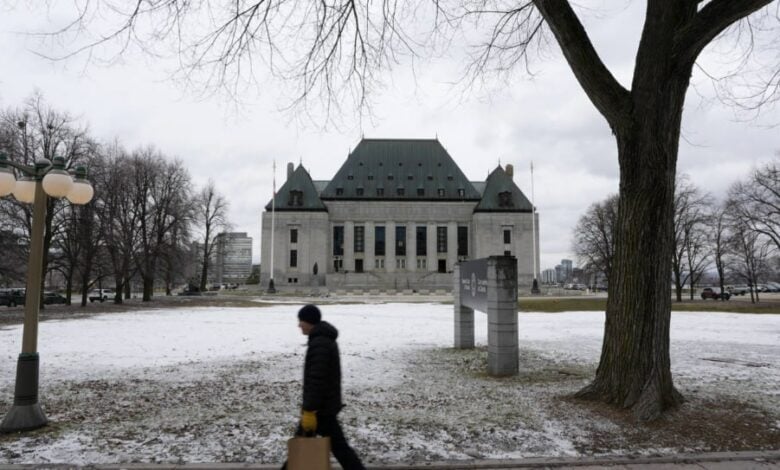
The Supreme Court of Canada began hearings on March 23, 2026, in a landmark constitutional challenge to Quebec’s secularism law, known as Bill 21, in a case widely expected to reshape Canadian constitutional law.
The proceedings, scheduled to run through March 27, concern the 2019 law adopted in Quebec, which bars certain public sector workers—including teachers, judges, and police officers—from wearing visible religious symbols while on duty. The legislation has sparked years of controversy over its impact on religious freedom and equality, particularly for Muslim women who wear the hijab.
While the Quebec government maintains the law is necessary to uphold state neutrality, the legal debate before the court is now focused less on secularism itself and more on the use of the constitutional “notwithstanding clause.” This provision allows governments to override certain fundamental rights protections under the Canadian Charter of Rights and Freedoms.
Quebec’s government, led by François Legault, pre-emptively invoked the clause when passing the law in 2019, shielding it from many constitutional challenges. Legal experts say the Supreme Court’s review could redefine how and when this clause can be used.
Lower courts in Quebec previously upheld most of Bill 21, though they expressed concern over the broad use of the clause. Judges warned that such application could weaken rights protections and allow governments to sidestep judicial review, raising the risk of majority-driven restrictions on minority groups.
The case also highlights limits of political accountability, as the clause must be renewed every five years—something Quebec has already done once in 2024. Critics argue that relying on elections alone does not adequately protect minority rights.
The Supreme Court now faces several possible paths: it could uphold existing precedent and validate Quebec’s use of the clause, impose new limits on its application, or send the case back to lower courts for further review requiring justification under the Charter’s rights limitations framework.
The challenge was brought by groups including the National Council of Canadian Muslims and the Canadian Civil Liberties Association, who argue the law excludes religious minorities from full participation in public sector employment.