
Experts Call for Sanctions Relief and Minority Protections as Post-Assad Syria Faces Economic Strain and Security Risks

Experts Call for Sanctions Relief and Minority Protections as Post-Assad Syria Faces Economic Strain and Security Risks
———————————————-
Analysts, US officials, and regional leaders warned this week that economic collapse and unresolved minority grievances could undermine stability in post-Assad Syria, urging the United States to pair sanctions relief with stronger security guarantees.
More details in the following report:
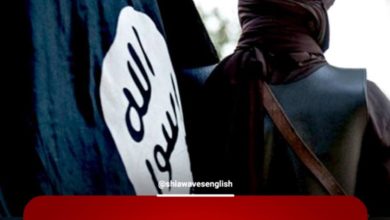
At a Middle East Institute conference in Washington, experts said easing US restrictions imposed under the 2019 Caesar Act is critical to preventing a resurgence of Daesh, Arab News reported. Former ambassadors Robert Ford and Barbara Leaf said severe hardship — including unemployment above 50 percent, average monthly incomes of $200–$300, and stalled reconstruction — leaves Syrians vulnerable to radicalization. Businesses have shifted to Lebanon, Iraq, and Türkiye, and many displaced families cannot return home.
CENTCOM commander Adm. Brad Cooper reported that US forces conducted more than 20 joint operations with Syrian partners in October and are accelerating repatriation efforts from the Al-Hawl and Al-Roj camps, whose populations have fallen from 70,000 to about 26,000.
In parallel, Israeli Druze leader Sheikh Mowafaq Tarif called on Washington to guarantee the security of Syria’s Druze community after deadly clashes in Sweida in July displaced tens of thousands and shattered long-standing coexistence between Druze and Bedouin residents. Tarif said US protection is needed to prevent future massacres and avoid Israeli intervention in southern Syria. He urged guarantees of rights, safety, and local self-determination for all minorities.
The Sweida violence, which included looting and summary killings, derailed negotiations to reintegrate local police and grant the province expanded autonomy. Tarif said trust can only be restored by allowing displaced residents to return and ensuring full humanitarian access.
Experts concluded that without coordinated economic recovery, political engagement, and minority protections, Syria remains at risk of renewed instability despite improved US-Syrian cooperation under President Ahmed Al-Sharaa.