
Balearic Islands, Portugal Move Toward Public Face-Covering Bans, Sparking Debate Over Religious Freedom
Balearic Islands, Portugal Move Toward Public Face-Covering Bans, Sparking Debate Over Religious Freedom
———————————
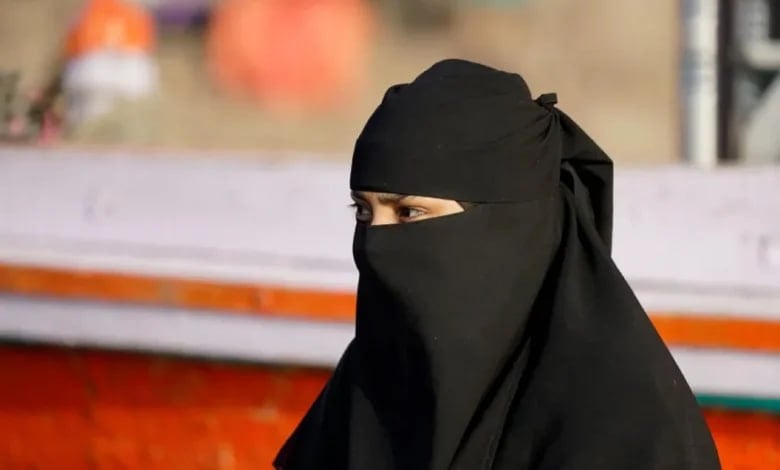
European debates over face-covering laws have resurfaced after Spain’s Balearic Islands parliament approved a motion urging the central government in Madrid to ban the wearing of the niqab and burqa in public spaces across the popular tourist archipelago.
According to media reports, the proposal was backed by the conservative Popular Party and the right-wing Vox party in the regional parliament, which represents Mallorca, Menorca, Ibiza, and Formentera. Vox had also called for a ban on the headscarf, but that proposal was rejected by other political forces and was not included in the final motion.
The move comes as Spain’s Muslim population is estimated at around three million people, mainly concentrated in Catalonia, Madrid, Valencia, and Andalusia. Civil society groups and rights organizations have criticized the initiative, arguing that it targets religious freedom and disproportionately affects Muslims.
A similar legislative push is underway in Portugal, where lawmakers have voted in favor of advancing a bill to restrict face coverings in public spaces. The proposal, introduced by the right-wing Chega party, remains under parliamentary committee review before being sent to President Marcelo Rebelo de Sousa, who can approve it or refer it to the Constitutional Court.
If enacted, the Portuguese bill would impose fines of up to €4,000 for wearing face-covering garments in public and prison sentences of up to three years for forcing another person to do so.
Several European countries, including France, Belgium, Austria, Denmark, and Switzerland, have already introduced full or partial bans. Supporters cite security and integration concerns, while critics warn of restrictions on religious and personal freedoms.